Finding cross training shoes that support overpronation can improve stability during workouts, reduce fatigue, and protect joints. The following selection focuses on women’s shoes designed to promote a stable gait, with features like holistic support, guided rails, and responsive cushioning. Each model is suitable for gym sessions, cross-training, and varied routines. Below is a quick overview of the five chosen products, followed by in-depth sections to help you compare fit, support, and performance.
| Product | Brand | Why It Stands Out |
|---|---|---|
| Brooks Adrenaline GTS 25 | Brooks | Guided support with Go-To-Support rails and premium cushioning |
| Brooks Glycerin GTS 22 | Brooks | Enhanced GuideRails system for stabilization and plush cushioning |
| Ryka Vivid RZX | Ryka | Narrower heel with roomier toe and adaptive cushioning |
| Reebok Nano X5 | Reebok | Multi-purpose cross training with stability-focused midsole |
| Nike Flex Train | Nike | Flexibility and support for varied training |
These selections emphasize stability, cushioning, and fit for women with overpronation tendencies, aiming to support natural foot motion while delivering comfortable performance across workouts.
Brooks Adrenaline GTS 25: Reliable Support For Runners

The Adrenaline GTS 25 is designed for runners and walkers who seek dependable support and a smooth ride. It uses a holistic GuideRails system to keep excess motion in check and preserve natural movement. The midsole features nitrogen-infused DNA LOFT v3 cushioning for soft landings and a responsive feel. This model is a PDAC A5500 Diabetic shoe and carries an APMA Seal of Acceptance, indicating a focus on everyday stability and comfort. Ideal for daily training, long walks, and gym sessions where steady guidance matters.
Brooks Glycerin GTS 22: Plush Cushioning With Stability

The Glycerin GTS 22 blends luxury cushioning with a guided rails system to limit excess movement. DNA Tuned midsole technology provides a plush yet energetic feel, while GuideRails support helps stabilize the foot throughout the gait cycle. This model is versatile for road running, cross training, and gym workouts, delivering a smoother transition with added control. It’s suitable for overpronation concerns due to its robust support framework and soft landings.
Ryka Vivid RZX Cross Training Shoes: Female-Focused Fit
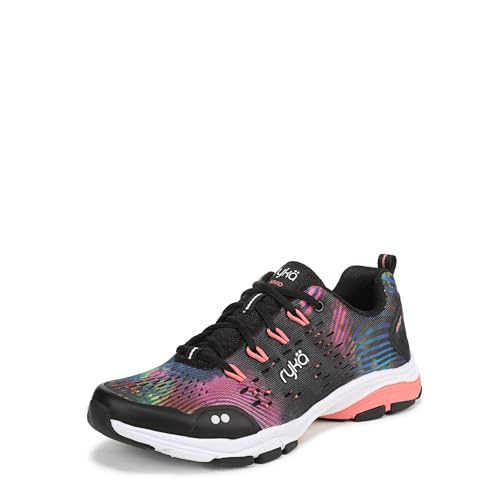
The Ryka Vivid RZX is crafted with a woman-specific fit, featuring a narrower heel, roomier toe box, and softer cushioning designed to accommodate female foot dynamics. Its RE-ZORB responsive cushioning at the heel targets impact protection while Ultra Flex provides flexibility for quick transitions. Although positioned for cross-training and high-intensity workouts, the shoe’s tailored fit can help counteract overpronation by stabilizing the heel and supporting the arch during lateral movements.
Puma Voltaic Evo Cross Training Shoes: Stability In Motion

The Voltaic Evo pair represents PUMA’s fast Viz Tech approach with a SoftFoam+ insole and 10CELL tech. The design emphasizes comfort and stability, featuring a TPU shank for added torsional support during side-to-side movements. This makes it a solid choice for cross trainers who need flexible performance without compromising alignment during dynamic drills. The shoe suits gym workouts, HIIT intervals, and mixed cardio sessions where stable footing matters.
Nike Flex Train: Flexibility Meets Support

Nike Flex Train blends flexibility with stable support. Features like a rubber outsole with forefoot cutouts and slits enhance flexibility, while an elastic heel band provides lockdown support. A full-length foam midsole delivers comfortable cushioning for varied workouts, from weightlifting to circuit training. The absence of heavy stability tech means it’s best for those with mild overpronation or those who need a lighter, more agile option for gym classes and quick transitions.
Buying Guide: Key Purchase Considerations
- Prerequisites for stability: Look for models with GuideRails or other holistically stabilizing systems that limit excess motion without restricting natural movement.
- Support vs. cushioning balance: Choose a balance that matches your baseline gait; heavier stability features may pair well with firmer midsoles for overpronation, while plush ride helps comfort during longer sessions.
- Fit and width: Women’s foot shapes vary; prioritize brands offering narrow heels and roomier forefoot if you have a pronation tendency. Try models with a secure heel fit and enough toe box space.
- Activity type: For mixed workouts, prioritize cross-training shoes with midsole stability and a versatile outsole. For longer runs, consider dedicated stability running shoes with reinforced support.
- Durability and materials: Durable upper materials with supportive overlays can improve longevity and maintain stability during lateral movements.
- Diabetic-friendly and medical validation: Some models come with APMA or similar certifications, indicating a broader suitability for everyday wear and activity.
How to choose the right model for you
Consider your typical training loads, the surfaces you train on, and your comfort preferences. If you predominantly perform lateral movements or HIIT, stability-focused cross trainers with guided rails can help manage overpronation. If you need all-day comfort with occasional stability, a well-cushioned, supportive model like the GTS series may be preferable. Always try on shoes with the socks you plan to wear during workouts and test fit through movements you frequently perform.
Care and longevity tips
- Rotate shoes to prevent overuse and extend life; alternate stability models to distribute wear patterns.
- Keep outsole traction clean to maintain grip during dynamic moves.
- Inspect the midsole for compressive wear; replace when cushioning feels flat or unstable.