Finding the right pair of hiking boots for women means balancing waterproofing, comfort, traction, and fit. This guide highlights five well-regarded options and explains what to look for when choosing boots for different terrains and weather conditions. Each pick offers a blend of durability, support, and everyday usability to help you stay confident on the trail.
The following summary table presents the five selected boots, with key features to compare at a glance. Use the table to quickly assess waterproofing, materials, and outsole tech before diving into full product details.
| Product | Brand | Waterproofing | Key Tech | Weight Class |
|---|---|---|---|---|
| Merrell Moab 3 Mid | Merrell | Waterproof membrane | Vibram sole, Kinetic Fit insole | Midweight |
| Columbia Transverse Waterproof | Columbia | OMNI-TECH waterproof | Techlite midsole, Omni-Grip | Midweight |
| Snow Hiking Boots (COTTIMO) | COTTIMO | PU leather, insulated fur | Rubber sole, padded collar | Lightweight |
| NORTIV 8 Seeker | NORTIV 8 | Waterproof membrane | Durable outsole, suede upper | Lightweight |
| Columbia Newton Ridge | Columbia | Full-grain leather, mesh bootie | Lightweight midsole, durable tread | Midweight |
These choices cover a spectrum—from rugged all-terrain hikers to weather-ready winter options—so you can pick boots that suit daily trails, weekend getaways, or harsher winter routes. Each product section below provides a concise overview of materials, construction, and comfort features, helping you compare fit, support, and protection.
Merrell Moab 3 Mid Waterproof Hiking Boot

The Merrell Moab 3 Mid Waterproof combines a pigskin leather and mesh upper with a protective toe cap and a bellows tongue to keep debris out. A waterproof membrane helps seal out moisture while allowing internal breathability, supporting comfortable all-day wear on damp or mixed conditions. The Kinetic Fit ADVANCED insole provides contoured support with a reinforced heel, and the lightweight EVA midsole offers stability without sacrificing cushioning. A Vibram TC5+ outsole delivers reliable grip on varied terrain, making this boot a versatile option for regular hikers.
Columbia Transverse Waterproof Hiking Boot

Columbia’s Transverse Waterproof boot features OMNI-TECH for waterproofing with breathable warmth, designed to keep feet dry in light to moderate rain. Techlite provides lightweight cushioning with a high energy return, while OMNI-GRIP traction supports stability across wet and dry surfaces. The combination aims to balance protection with a responsive feel for longer treks and variable weather, making it a strong option for year-round walks in mixed conditions.
Snow Hiking Boots By COTTIMO
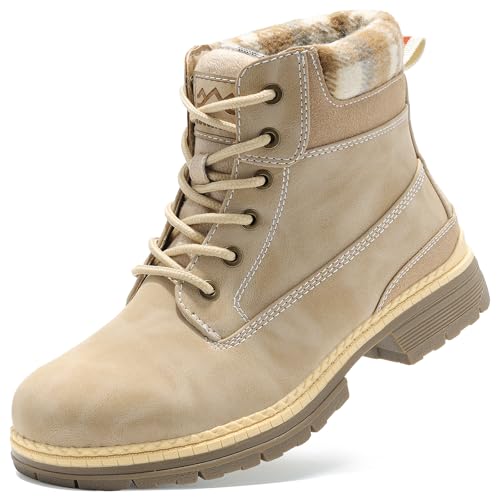
These Snow Hiking Boots from COTTIMO emphasize warmth and comfort for winter use. They feature PU synthetic leather, padded collar and tongue, insulated faux fur lining, and a rubber outsole with textured grip for snow and ice. The design prioritizes warmth retention and a secure feel in cold conditions, with a fashionable look suitable for casual wear on winter days that transition to light outdoor activity.
NORTIV 8 Seeker Waterproof Hiking Boots

The Seeker model from Nortiv 8 offers a waterproof membrane and a suede upper with a durable mesh tongue for breathability. The boot emphasizes slip resistance and comfort over longer hikes, with a design that blends feminine styling with rugged functionality. A versatile option for mild to moderate conditions where waterproof protection and reliable traction are important.
NORTIV 8 Seeker Waterproof Hiking Boots (Variant)

This variant from Nortiv 8 continues the focus on waterproof protection and foothold with a suede-based upper and a durable outsole. The combination supports everyday trail use and more rugged paths, delivering a balance of style and practical performance for outdoor footwear enthusiasts seeking a lighter-weight option with dependable grip.
NORTIV 8 Newton Ridge Inspired Trail Boot

Columbia’s Newton Ridge-inspired boot is designed for all-day comfort with a waterproof full-grain leather and mesh bootie construction. A breathable mesh tongue helps with ventilation, while a lace-up closure allows for a secure, adjustable fit. The midsole prioritizes cushioned support, making it a practical choice for hikers who want steady performance on a variety of routes without unnecessary bulk.
Buying Guide: Key Purchase Considerations
Waterproofing and Breathability
For wet trails or snowy days, prioritize boots with a waterproof membrane (such as a membrane-treated leather or a dedicated waterproof liner) paired with breathable materials to reduce overheating and moisture buildup inside the boot. Look for gusseted tongues or bellows tongues to prevent seepage from entering the shoe.
Traction and Outsole Design
Outsole compounds and tread patterns influence grip on slick rocks, muddy paths, and snow. Vibram or high-traction rubber soles with well-spaced lugs generally provide solid all-terrain performance. Multi-terrain or cross-terrain designs help with stability on uneven ground.
Support and Stability
Midfoot and arch support, plus heel cushioning, reduce fatigue on long hikes. Removable insoles or customizable footbeds can improve fit for different foot shapes. Shanks and structured midsoles contribute to torsional stability on uneven surfaces.
Fit and Sizing
Women’s boots vary in width and volume. Consider trying on with the socks you plan to wear on the trail and check for adequate toe room in the toe box and proper heel lock without slipping. Adjustable lacing systems help accommodate high arches or wider forefeet.
Insulation and Warmth
Winter-ready models use insulated linings or faux fur to retain heat, while transitional boots prioritize breathability for warmer conditions. For cold environments, ensure the boot’s insulation level aligns with the expected low temperatures and activity level.
Durability and Materials
High-quality leather, reinforced stitching, and durable mesh offer longer wear in rugged conditions. Synthetic blends can reduce weight while maintaining resistance to wear. Consider how often you hike and in what climates to choose materials that balance weight with resilience.
Weight and Comfort
Lightweight boots are easier on the feet for long days, while more supportive or rugged designs may feel heavier but offer more protection. Evaluate how the boot’s weight affects fatigue over your typical hiking duration.
Care and Maintenance
Waterproof membranes and leather require routine cleaning and conditioning to preserve performance. Use breathable spray protectants and waterproofing treatments as needed to extend boot life and maintain moisture resistance.