The right hiking shoe can help manage overpronation by providing medial support, stability, and comfortable cushioning for long days on the trail. This article highlights five top options for women, focusing on stability features, reliable grip, and durable materials. Each product section includes a quick look at key features to help you compare at a glance.
| Product | Brand | Key Stability Features |
|---|---|---|
| Merrell Women’s Moab 3 Waterproof Hiking Shoe | Merrell | Protective toe cap, reinforced heel cushioning, Vibram sole |
| Saucony Women’s Excursion TR16 Hiking Shoe | Saucony | Versarun cushioning, grippy carbon-lug traction |
| Brooks Women’s Cascadia 19 | Brooks | TrailTack outsole, DNA LOFT v3 cushioning, Trail Adapt System |
| Merrell Speed Strike 2 Hiking Shoe | Merrell | Synthetic/mesh upper, protective toe/heel, entry ease features |
| Columbia Transverse Waterproof Hiking Boot | Columbia | OMNI-TECH waterproofing, Techlite cushioning, Omni-Grip traction |
Merrell Moab 3 Waterproof: All‑Terrain Stability

Merrell Moab 3 Waterproof delivers a balanced blend of comfort and support for overpronators on mixed terrain. The upper uses pigskin leather and mesh for durability, while a bellows tongue helps keep debris out. A protective toe cap shields the forefoot, and a molded nylon arch shank enhances stability on uneven trails. The Kinetic Fit ADVANCED removable insole provides contoured support, reinforced heel cushioning, and medium arch support. A Vibram TC5+ outsole offers reliable traction on wet or dry surfaces, and the waterproof membrane keeps feet dry without trapping heat.
Key stability notes: The combination of a supportive insole, reinforced heel, and a grippy outsole helps control medial collapse during mid-stance, reducing overpronation effects. The lightweight EVA midsole cushions landings while maintaining a stable platform for longer treks. Merrell’s Air Cushion in the heel further absorbs shock to improve balance on rugged routes.
Saucony Excursion TR16: Balanced Comfort On Trails

The Saucony Excursion TR16 focuses on stability with Versarun cushioning that maintains a balanced ride across long days on the trail. Its carbon-rubber lugs deliver strong traction across varied terrain, from loose dirt to rocky sections. The design emphasizes a secure fit with a durable upper and supportive midsole to help control inward foot motion. A fresh look pairs with protective features to keep you moving confidently on challenging routes.
Stability considerations: The shoe’s platform and outsole design work together to reduce pronation impact by offering consistent ground contact. This helps align the foot more effectively through the gait cycle, especially during longer hikes. Traction and protection trade off with weight, but the Excursion TR16 maintains a compact, responsive feel for rapid changes in terrain.
Brooks Cascadia 19: Trail‑Ready Stability
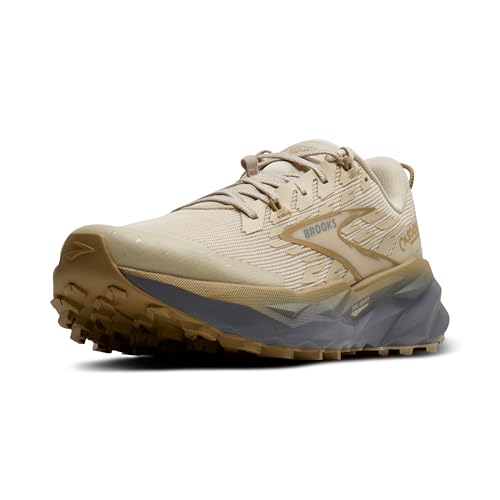
The Brooks Cascadia 19 is designed for confident performance on varied mountain trails. It features a grippy TrailTack Green outsole with 25% recycled content, plus DNA LOFT v3 cushioning for a soft yet responsive ride. The Trail Adapt System adapts to terrain while a reinforced toe cap and mudguard enhance upper durability. These elements combine to provide stability for overpronators by improving midfoot control and landings across uneven surfaces.
Stability and sustainability: An emphasis on adaptive support helps maintain a steady gait on mixed terrain. The carbon-neutral product note reflects Brooks’ broader commitment to durable, performance-oriented footwear without sacrificing environmental considerations. The shoe’s durable construction supports long-distance hikes with steady energy return.
Merrell Speed Strike 2: Lightweight Support

Merrell Speed Strike 2 offers a lightweight, breathable option with a synthetic and mesh upper, protecting the forefoot with an abrasion-resistant toe cap and a reinforcing heel. The product prioritizes ease of entry via a heel loop and compatibility with carabiners for outdoor enthusiasts who need quick on/off footwear. While focusing on speed and comfort, its structured heel and secure upper support contribute to reducing inward foot collapse on uneven ground.
Stability profile: The combination of a protective shell and a stable platform aims to limit excessive pronation during dynamic movement. The shoe’s simpler midsole and outsole balance weight with sufficient grip, making it suitable for day hikes and weekend excursions where control matters as terrain shifts.
Columbia Transverse Waterproof Hiking Boot: All‑Terrain Grip

The Columbia Transverse Waterproof Hiking Boot emphasizes waterproof performance and robust cushioning. OMNI-TECH provides breathable waterproofing, while OMNI-GRIP offers multi-terrain traction designed to handle wet and dry conditions. Techlite cushioning ensures a supportive, responsive feel underfoot. The boot’s structure supports stability through a stable midsole and grippy outsole, addressing overpronation concerns by promoting even weight distribution on diverse surfaces.
Purchase considerations: Waterproofing is beneficial for wet routes, but it can add weight. The balanced cushioning aids comfort over long distances, while the outsole pattern emphasizes multi-terrain traction. For overpronators, the boot’s support features and stable platform help maintain alignment across varied landscapes and weather conditions.
Buying Guide: Key Purchase Considerations
When selecting hiking shoes for overpronation, consider the following factors to ensure a stable, comfortable fit across terrains:
- Stability and support: Look for features such as a reinforced midfoot, structured heel, medial posting, or a dedicated stability platform to limit excessive inward motion.
- Sole and traction: A grippy outsole with solid tread patterns helps maintain balance on uneven surfaces and wet rocks. Vibram, TrailTack, and Omni-Grip technologies are common examples.
- Cushioning and midsole: Sufficient cushioning supports long days on the trail. Stability-focused foams (e.g., DNA LOFT v3 or Techlite) balance comfort with a firm ride to prevent foot fatigue.
- Upper material and fit: Durable uppers (leather with mesh, synthetic blends) offer long wear and a secure fit. Lacing systems and heel counters should lock the foot in place without constriction.
- Waterproofing vs. breathability: Waterproof membranes keep feet dry in wet conditions but can add weight and reduce breathability. Choose based on typical conditions you hike in.
- Weight: Heavier models often provide more stability; lighter options prioritize agility. Balance weight against the terrain and distance of your hikes.
- Durability and protection: Features like toe caps, mudguards, and reinforced heels extend the life of the shoe in rugged environments.
Fit tips: Try shoes later in the day when your feet might be slightly swollen, wear the socks you plan to hike with, and ensure a snug heel fit with a roomy toe box. If you have a high arch or pronounced pronation, consider consulting a footwear specialist for a gait assessment and any recommended insoles or orthotics.