For cyclists who prefer reliable, straightforward data without relying on wireless signals, wired cycle computers offer dependable readings and easy maintenance. This article highlights top wired models that balance durability, clear displays, and essential metrics like speed, distance, and time. Explore options from trusted brands and learn what to look for when choosing the right wired unit for your road, mountain, or gravel adventures.
Summary of chosen products
| Product | Brand | Key Benefit | Link |
|---|---|---|---|
| Cateye Wired Bike Computer – Entry-Level | Cateye | Beginner-friendly setup with auto start/stop | Amazon |
| CATEYE Wired Bike Computer – Enduro | Cateye | Heavy-duty wire for off-road durability | Amazon |
| CATEYE Wired Bike Computer – Velo 9 | Cateye | Calorie tracking and carbon offset | Amazon |
| Hilceriy Bike Computer | Hilceriy | Multi-function with backlight and IPX6 waterproofing | Amazon |
| Planet Bike Protégé 9.0 Wired | Planet Bike | 4-line display with temperature readout | Amazon |
Cateye Wired Bike Computer – Entry-Level

Designed for beginners, this CatEye model provides essential data at a glance. It displays current, max, and average speed, total distance, trip distance, elapsed time, pace arrow, and a clock. The unit automatically stops counting when the rider stops, such as at red lights or during breaks, helping to keep ride metrics accurate without manual intervention. A wired speed sensor assures consistent, interference-free speed readings for road, mountain, or gravel bikes. The setup is straightforward, making it a reliable first wired computer for casual riders and newcomers alike.
CATEYE Wired Bike Computer – Enduro

Enduro is built for tougher rides, featuring a heavy-duty wire that stands up to off-road conditions. It still covers all the core stats—speed, distance, elapsed time, and calories—while focusing on a front-front button for quick function toggling. This model aims to deliver durable performance on trails and rougher terrain, where exposure to vibration and weather can be higher. For riders who take on mixed terrain, Enduro combines rugged construction with straightforward data access.
CATEYE Wired Bike Computer – Velo 9

The Velo 9 tracks current, max, and average speeds, total distance, trip distance, elapsed time, calories, carbon offset, pace arrow, and a clock. It also features a user-friendly design that helps you concentrate on the ride rather than menus. A notable benefit is calorie and carbon offset tracking, appealing to riders who monitor fitness and environmental impact. The unit’s compact, reliable wired setup supports consistent data reporting for regular training, commuting, or weekend rides.
Hilceriy Bike Computer

Hilceriy emphasizes broad functionality and visibility. It measures speed, average speed, maximum speed, riding time, and distance, with added metrics like calories statistics and temperature. The device includes a day/night backlight to improve readability in low-light conditions and is rated IPX6 for weather resistance, making it suitable for rain and splash exposure. The user experience focuses on a durable, all-weather device with clear displays and helpful data to inform training sessions and daily rides.
Planet Bike Protégé 9.0 Wired
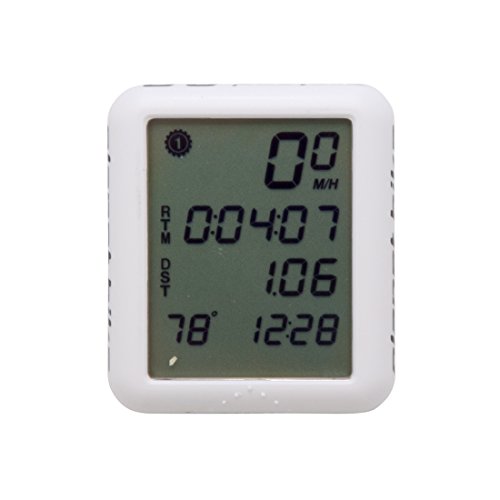
The Protégé 9.0 combines a buttonless design with solid hardware. Its 4-line display presents five data points at a glance, including temperature, which can be a valuable statistic for riders who train in varying climates. The analog-friendly interface and straightforward readouts help cyclists access essential insights during training rides, tours, or daily commutes, while the sturdy build stands up to regular use in mixed riding environments.
Buying Guide: Wired Cycle Computer Essentials
Key considerations help riders pick a wired cycle computer that matches their riding style and needs.
- Readability and display: Look for large, high-contrast digits and a clear layout. Multi-line displays are helpful for tracking several metrics at once, especially on longer rides.
- Core metrics: Most wired computers track speed, distance, and time. If you value calories, carbon offset, or temperature, confirm those features before buying.
- Durability and weather resistance: A weather-sealed case and a robust wired sensor reduce maintenance and data gaps during rain or rough terrain.
- Ease of use: A front-facing or single-button design can minimize distraction and simplify scrolling through functions while riding.
- Installation and compatibility: Ensure the device can mount securely on your handlebars and that the sensor placement aligns with your bike’s fork or frame geometry.
- Battery life and power considerations: Wired units generally have long-term reliability with minimal battery concerns, but check battery specs for any model that uses replaceable components.
- Brand and support: Reputable brands often offer clearer manuals and better customer support, which helps with setup and troubleshooting.
Comparing Key Features Across Wired Models
When evaluating options, compare not just the metrics each unit displays, but also how easy it is to operate during a ride. Units like Enduro prioritize ruggedness for off-road use, while models with calorie tracking appeal to fitness-focused riders. Temperature readings and carbon offset data add training context for endurance enthusiasts. Consider your typical riding environment—urban commutes, trail riding, or mixed terrain—to determine which features deliver the most value.
Maintenance And Setup Tips
For reliable performance, periodically inspect the wiring and sensors for wear or damage. Keep the display and sensor magnets aligned and free from dirt. If a unit stops counting time when you’re stopped, verify the auto-stop function is active. Regularly check the mounting bracket to ensure it remains secure after bumps or vibration from rough roads. A quick firmware or software check, when available, can help preserve accuracy and extend the device’s useful life.
Usage Scenarios: Which Wired Computer Fits Your Ride?
Road cyclists benefit from clean data and straightforward operation, while mountain bikers may prioritize rugged build and water resistance. Gravel riders often seek a balance of durability and multiple data points. For beginners, a simple entry-level model that automatically handles stop-start can reduce friction and help new riders stay engaged with their metrics. For seasoned riders, models with calorie tracking and temperature data add extra layers of context for performance planning.
Conclusion
Wired cycle computers offer reliable data capture, durable construction, and straightforward interfaces that suit a range of riding styles. Whether you’re just starting out or upgrading an existing setup, these models deliver essential metrics with dependable performance and clear displays. By focusing on readability, durability, and the metrics you value most, you can choose a wired computer that reliably supports your cycling goals.