Choosing the best wetsuit for triathlon is essential for maximizing performance, comfort, and buoyancy during open water swimming. This guide reviews top-rated wetsuits tailored for triathletes of all skill levels, focusing on materials, design, and flexibility to help you find a suit that enhances your swim and supports the transition to the next discipline. Below is a summary table with key features of the selected triathlon wetsuits available on Amazon.
| Product | Brand | Key Features |
|---|---|---|
| Synergy Volution Full Sleeve 3/2mm | Synergy | Ironman approved, 3mm core buoyancy, silicone coated SyPrene, full range of motion |
| Synergy Volution Sleeveless Long John 3/2mm | Synergy | Ironman approved, sleeveless for better arm mobility, 3mm core buoyancy |
| Synergy Endorphin Full Sleeve (Black/Blue) | Synergy | 5mm core buoyancy, 680% flexibility, Yamamoto #39 neoprene, Editor’s Choice Award |
| Dark Lightning Full Body Wetsuit Women 3/2mm | Dark Lightning | Ultra stretch neoprene, flatlock stitching, designed for cold water swimming |
| O’Neill Men’s Reactor-2 3/2mm Back Zip | O’Neill Wetsuits | Entry level, ultra stretch neoprene, back zip, versatile for multiple water sports |
Synergy Triathlon Wetsuit 3/2mm Volution Full Sleeve Smoothskin
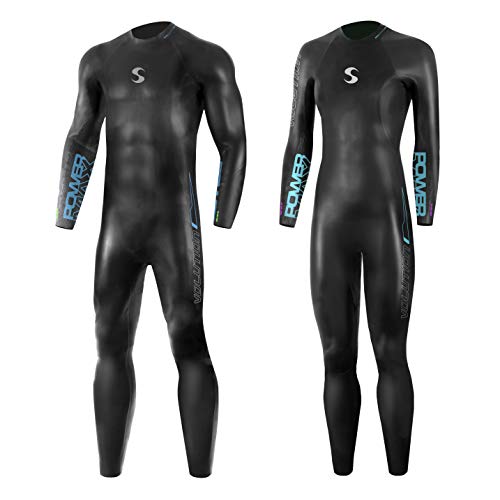
The Synergy Volution Full Sleeve wetsuit uses hydrodynamic neoprene coated with silicone SyPrene for enhanced glide through water. Featuring a 3mm thick core buoyancy panel with 2mm on legs and back, it promotes optimal flotation without restricting mobility. This wetsuit is Ironman and USAT approved, making it suitable for competitive triathlons. The internal YKK zipper is anti-corrosion and helps reduce drag. Its neck collar is soft with smoothskin on both sides, providing comfort as if barely wearing anything. Available in multiple sizes to ensure a perfect fit for different body types.
Synergy Triathlon Wetsuit 3/2mm Volution Sleeveless Long John

This Synergy sleeveless wetsuit provides triathletes with unrestricted arm movement, ideal for swimmers who prioritize freedom and speed in their stroke. Maintaining the proven hydrodynamic silicone-coated SyPrene neoprene with a 3mm buoyancy panel at the core and 2mm on legs and back, it balances buoyancy and flexibility. The same high-grade YKK internal zipper minimizes drag, while the smoothskin low neckline enhances comfort. Approved by Ironman and USAT, it is designed for triathletes looking for performance combined with comfort in warm to moderate water temperatures.
Synergy Endorphin Men’s Full Sleeve Triathlon Wetsuit
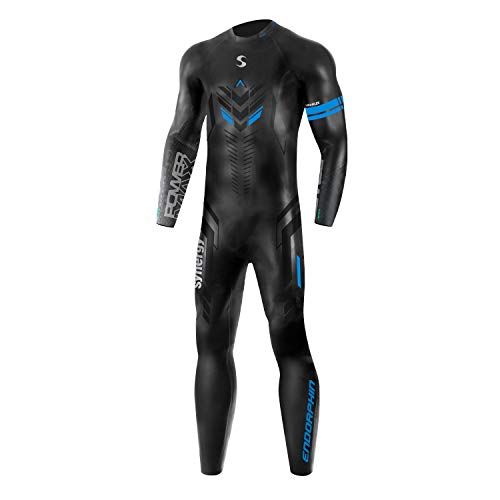
Awards include Triathlete Magazine Editor’s Choice for this wetsuit that combines Yamamoto #39 neoprene with SCS silicone coated SyPrene for smooth water glide. The buoyancy panel is thicker at 5mm for improved flotation, complemented by 3mm on legs and back and 2mm on arms and shoulders to maximize flexibility. Expect up to 680% stretch for a full range of motion. The wetsuit includes a soft, smoothskin collar and a YKK anti-corrosion zipper that cuts through the water efficiently—excellent for competitive triathletes who need extra buoyancy without compromising movement freedom.
Dark Lightning Full Body Wetsuit Women 3/2mm

The Dark Lightning full body wetsuit is designed specifically for women, providing a snug fit with ultra-stretch neoprene to combat cold water temperatures effectively. The 3/2mm thickness with 3mm on the torso and 2mm on limbs is ideal for water over 59°F. This wetsuit features flatlock stitching that enhances water resistance and a back zip for easy donning and removal, making it a practical choice for beginners to intermediate swimmers engaging in triathlon or other water sports.
O’Neill Men’s Reactor-2 3/2mm Back Zip Full Wetsuit

This O’Neill Reactor-2 wetsuit caters to entry-level triathletes and water sport enthusiasts. Its 3/2mm ultra-stretch neoprene material ensures flexibility and comfort while maintaining warmth. The back zip system enables easy entry and a water-resistant closure, enhancing usability. The wetsuit’s versatile design allows use not only for triathlons but also surfing, diving, kayaking, and lake activities, making it a solid value-driven option for beginners seeking a durable, all-purpose wetsuit.
Buying Guide for the Best Triathlon Wetsuit
Selecting the right wetsuit for triathlon involves several key factors to balance performance, comfort, and suitability for your typical race conditions.
Material and Thickness
Neoprene quality, such as Yamamoto #39, and silicone coatings like SCS greatly influence water glide and flexibility. Thickness usually ranges from 2mm to 5mm, with thicker panels providing more buoyancy in the core for improved floatation, and thinner neoprene on arms and legs for ease of movement.
Buoyancy and Flexibility
The buoyancy panels enhance body position in water, reducing drag. Thickness distribution and panel placement are crucial; a 5mm core increases flotation but may reduce flexibility. Look for wetsuits with proven stretch ratings (some offer up to 680%) to ensure unrestricted swimming motion.
Design and Cut
Full sleeve wetsuits are common, but sleeveless designs are preferable for swimmers needing maximum arm mobility. Women-specific designs improve fit, reducing resistance and chafing. Neckline features, such as smoothskin collars, increase comfort during long swims.
Certifications and Approvals
For competition compliance, check if the wetsuit is Ironman or USAT approved. These certifications ensure meets competitive rules and safety standards.
Zipper Position and Quality
High-quality YKK anti-corrosion zippers reduce drag and improve durability. Back zippers are typical, but some suits may feature front or chest zippers for easier entry or minimal water intake.
Fit and Sizing
A well-fitted wetsuit should feel snug without restricting breathing or stroke motion. Wide size ranges and consideration of body shape help find the right fit. Many brands provide sizing charts and customer support to assist selection.
Intended Water Temperature
Consider the water temperature of your typical triathlon events; 3/2mm suits are versatile for moderate climates, while thicker suits are recommended for colder water to maintain warmth.
Additional Features
Some wetsuits include thermal liners, super seal necks, or flatlock stitching to enhance warmth, comfort, and water resistance. Assess whether these features match your needs for training and racing conditions.
By weighing these aspects carefully, you can select a wetsuit that boosts your triathlon swim performance while ensuring comfort and durability.