Choosing the right tent for bikepacking combines the need for lightweight, compact design with durability and ease of setup. Bikepackers require tents that can withstand various weather conditions while fitting efficiently with bike gear. Below is a summary table featuring some of the top bikepacking tents available, highlighting key features to help you make an informed choice.
| Product | Brand | Capacity | Weight | Key Feature |
|---|---|---|---|---|
| Blacktail Hotel 2 Bikepacking Tent | Big Agnes | 2 Person | Lightweight | Pre-bent poles & Reflective guylines |
| Copper Spur HV UL1 Ultralight Bikepacking Tent | Big Agnes | 1 Person | Ultralight | 4-way high-volume hub design |
| Fly Creek HV UL Bikepack Tent | Big Agnes | 1 Person | Lightweight | UV-resistant Solution Dye fabric |
| Naturehike 1 Person Waterproof Tent | Naturehike | 1 Person | Lightweight | PU4000mm waterproof nylon & freestanding |
| MSR Hubba Hubba Bikepack 2 Person Tent | MSR | 2 Person | Compact & Strong | Handlebar storage bag included |
Big Agnes Blacktail Hotel 2 Bikepacking Tent

The Big Agnes Blacktail Hotel 2 is tailored for both on-road and off-road bikepacking, offering a balance of lightness and strength suitable for backcountry trails and front-country roads. Its burly compression stuff sack resists trail wear, while daisy-chain webbing on the tent helps with multiple bike-frame attachment setups. The pre-bent poles increase headroom and stability, making it easy to pitch. The tent features two vestibules – one extended, pole-supported side-entry, and a quick-access one – allowing for convenient gear storage and entry. Included are patent-pending I-Beam aluminum stakes, which add durability while keeping weight down. Reflective guylines enhance visibility for night setups, and the tent is well-suited for variable trail conditions.
Big Agnes Copper Spur HV UL1 Ultralight Bikepacking Tent
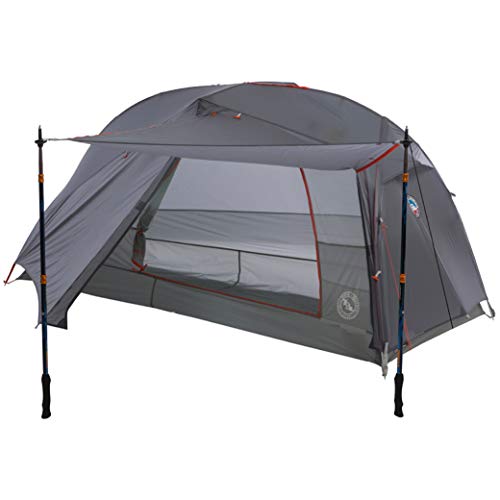
The Copper Spur HV UL1 is designed for solo riders seeking an ultralight shelter with luxury touches. It includes two doors and two vestibules for convenient access and gear storage. Its trail-ready compression sack and daisy-chain webbing support multiple frame packing options. The tent structure features a 4-way high-volume hub that increases overall strength by 25% and usable interior volume by 20%, compared to earlier models. It uses proprietary ultralight double rip-stop nylon fabric for added tear strength and puncture resistance without extra weight. The DAC Featherlite NSL poles ensure a durable frame. This tent is particularly effective for those focused on saving space while maintaining endurance on the trail.
Big Agnes Fly Creek HV UL Bikepack Tent, 1 Person

This model is optimized for solo bikepackers who demand lightweight efficiency with reliable weather resistance. The Fly Creek HV UL uses UV-resistant Solution Dye fabric to reduce fading and environmental impact. Its steep walls maximize interior space while keeping weight low. The tent features a single door and vestibule with storm flaps and easy-grip zippers, ideal for quick access during rides. Pre-attached guy lines and tensioners simplify pitching at any time, and reflective materials improve night visibility. Color-coded webbing and Velcro tabs ensure fast setup and stable conditions on variable terrain.
Naturehike Bikepacking 1 Person Waterproof Tent

The Naturehike 1 Person Tent stands out for its impressive waterproof and wind resistance, thanks to PU4000mm waterproof 20D nylon with silicone coating and fully taped seams. Its 7001 aluminum alloy poles provide solid durability for withstand storms and strong winds. The tent is spacious for a solo user, with dimensions allowing comfortable sitting and sleeping. Its freestanding design paired with quick setup capability make it ideal for bikepackers who want fast assembly without fuss. This tent is well-suited for three-season use and various weather conditions.
MSR Hubba Hubba Bikepack 2 Person Bikepacking Tent

Known for robust design and bike-specific features, the MSR Hubba Hubba Bikepack 2 Person Tent is a trusted choice for two riders. The tent includes strong yet lightweight DAC poles that fold compactly for easy packing on handlebars or frame bags. A standout feature is the waterproof handlebar storage bag compatible with various bike bar types, designed to keep gear safe and accessible. Removable spacers prevent interference with brake and shift cables. This tent balances comfort, protection, and packing convenience in a durable package ideal for multi-day bikepacking excursions.
Buying Guide for Bikepacking Tents
Selecting the best bikepacking tent involves several critical factors to balance comfort, weight, durability, and packability. Understanding these aspects will help you pick a tent that complements your cycling adventures efficiently.
Weight and Packability
Ultralight and compact tents are essential for bikepacking since riders must carry all equipment on their bikes. Look for tents with lightweight materials such as rip-stop nylon and aluminum poles, and consider how small the tent packs down for storage on panniers or handlebars.
Durable Materials and Weather Resistance
A tent’s fabric should be waterproof with high hydrostatic head ratings (e.g., PU4000mm) and treated for UV resistance to endure sunlight exposure. Strong, flexible poles like DAC aluminum increase resilience against wind and rain. Sealed seams and sturdy stakes contribute to overall protection from the elements.
Ease of Setup
Bikepacking tents should allow for quick assembly and takedown, often in unfavorable conditions. Features such as pre-attached guy lines, color-coded poles, freestanding designs, and single-wall or double-wall construction impact how fast you can pitch your tent.
Interior Space and Vestibules
Compact tents vary in how efficiently they maximize internal volume. High-volume pole hubs and pre-bent poles can offer increased headroom and livability. Vestibules or multiple doors are valuable for storing gear and ensuring easy tent entry without mud or clutter inside.
Bike-Specific Features
Look for tents with bike-friendly design elements like daisy-chain webbing and compression sacks made to withstand trail abuse, as well as dedicated attachment points for securing tents to bike frames. Some models also integrate handlebar storage or mounting options to optimize carrying convenience.
Seasonal Use
Most bikepacking tents are rated for 3-season use, providing protection against rain and moderate cold. If you plan to bikepack in winter, seek tents with enhanced insulation and stronger windproof designs.
By considering these factors, you can choose a bikepacking tent that perfectly matches your adventure style, ensures comfort, and withstands the challenges of your ride.