In backcountry skiing, avalanche safety gear is essential. An airbag backpack can reduce burial risk during a slide by helping the wearer stay near the surface. This guide reviews top BCA Float E2 and Float 32 avalanche airbag packs available on the market, focusing on their capacity, design, and practical features to aid decision-making for American riders seeking reliable protection.
Summary Table of Selected Products
| Product | Brand | Capacity / Size | Key Features | Amazon Link |
|---|---|---|---|---|
| BCA Float E2 Turbo (Black, Small/Medium) | BCA | Pack size: Small/Medium | Alpride Supercapacitor Engine, 2 AA batteries, BC Link radio compatible | View |
| BCA Float E2 Turbo (Black, Large/X-Large) | BCA | Pack size: Large/X-Large | Alpride Supercapacitor Engine, 2 AA batteries, BC Link radio compatible | View |
| BCA Float 32 Avalanche Airbag Backpack – Black/Orange | BCA | 32 L | Float 2.0 system, durable 330D mini ripstop fabric | View |
| BCA Float E2 Turbo (Tan, Large/X-Large) | BCA | Pack size: Large/X-Large | Alpride Supercapacitor Engine, 2 AA batteries, BC Link radio compatible | View |
| BCA Float 32 Avalanche Airbag Backpack – Olive Green/32L (MD/LG) | BCA | 32 L | Float 2.0 system, side stash pockets, available in 25L or 35L variants | View |
The following sections spotlight five representative airbags, highlighting design, storage capacity, and user-oriented features to help skiers compare options quickly.
BCA Float E2 Turbo Black Small/Medium
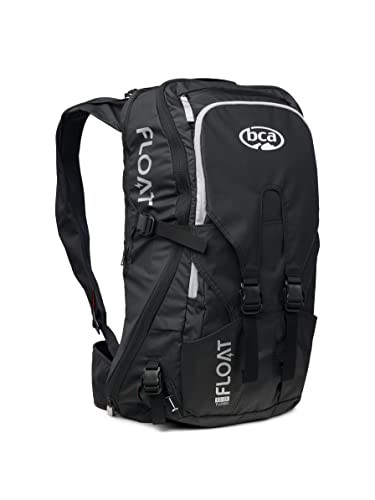
The BCA Float E2 Turbo packs use the Alpride E2 system powered by a compact supercapacitor engine with two AA batteries. This configuration aims to provide reliable inflation on demand while keeping battery life efficient. It integrates with BC Link radios for in-buddy communication and includes an external shovel carry system for quick access during terrain changes. The 30L-class type with a responsive inflation profile makes it suitable for medium-sized backcountry missions.
BCA Float E2 Turbo Black Large/X-Large
Designed for larger torsos and riders needing more carrying capacity, this Large/X-Large variant maintains the same Alpride E2 propulsion and rapid deployment. The external shovel carry system remains a key feature, and the kit’s BC Link integration supports rapid team coordination in avalanche terrain. Ideal for longer backcountry days or deeper snow conditions where extra gear space matters.
BCA Float 32 Avalanche Airbag Backpack Black/Orange

The Float 32 combines a 32-liter main compartment with Float 2.0 airbag technology. Built with face fabric 330D nylon mini ripstop and reinforced panels, it offers robust abrasion resistance while providing organized storage with its 32-liter capacity. This model is well-suited for riders who carry extra layers, skins, or tools for longer tours and frequent hut-to-hut trips in variable snow conditions.
BCA Float E2 Turbo Tan Large/X-Large

This tan variant mirrors the Black/Medium family’s performance in a larger frame. It combines the same Alpride E2 system with two AA batteries and supports BC Link radio compatibility, ensuring dependable inflation and team communications in challenging terrain. The external shovel carry system continues to provide fast access to gear when needed, while the color options may help with visibility on varied snow surfaces.
BCA Float 32 Green 25L/MD-LG

The 25-liter variant offers a slimmer option while retaining the Alpride E2 supercapacitor system for reliable inflation. Its 25-L capacity makes it a lighter alternative for shorter tours or day trips. A side stash pocket provides quick access to gloves, goggles, or a water bottle, contributing to a practical setup for riders prioritizing mobility and easy access during transitions.
BCA Float 32 Green 25L/MD-LG – Additional Notes
Note: This entry emphasizes the 25L/MD-LG configuration as a lighter option within the Float 32 family. The system remains electronically powered, with side access considerations that can streamline gear handling in alpine environments. For riders seeking a compact, manageable pack without sacrificing critical safety inflation, this variant provides a balanced choice.
Buying Guide: Key Purchase Considerations
- Airbag system and power source: Most packs use Alpride E2 or Float 2.0 systems. Evaluate whether you prefer a supercapacitor-based engine or a canister-based approach, and consider battery availability for your typical trips.
- Capacity and fit: Sizes range from small/med to large/x-large and capacities from about 15L to 32L or more. Match the pack volume to your typical gear load, including layers, hydration, and safety tools.
- Weight and balance: Inflatable airbags add weight and can affect center of gravity. Test how the pack feels when fully loaded and during ascent and descent in varied snow conditions.
- Durability and materials: Look for high-denier fabrics, reinforced panels, and reliable zippers. Exterior attachments like shovel carries should be accessible but secure during movement.
- Integrated features: BC Link radio compatibility, quick-access side pockets, hydration sleeve compatibility, and ergonomic shoulder/hip belt design can impact day-to-day usability on the mountain.
- Rescue readiness: Consider deployment reliability, inflation speed, and whether your team has familiarity with the system to maximize effectiveness during an avalanche event.
- Maintenance and service: Check warranty terms, availability of replacement parts (airbag canisters or supercapacitors), and ease of recharging or rearming after inflation.
- Visibility and color options: Color choices can influence visibility in terrain; choose a high-contrast option for easier detection by teammates in varying light and snow conditions.
- Personal risk profile: Beginners may benefit from a more straightforward, lighter system, while advanced backcountry skiers may prioritize abundant storage and additional safety features.