Runners with heel pain need shoes that cushion impact, offer arch support, and promote proper alignment. The following options focus on neutral cushioning, orthopedic features, and lightweight design to reduce stress on the heel. This guide highlights five footwear choices and one pair of relief inserts to help you stay active while managing plantar fasciitis, heel spurs, or sore heels.
| Product | Brand | Key Benefit |
|---|---|---|
| Brooks Glycerin 22 | Brooks | Maximum cushioning with DNA Tuned midsole |
| OrthoComfoot Orthopedic Road Shoes | OrthoComfoot | Arch support and wide toe box for foot relief |
| ASICS Gel-Nimbus 27 | ASICS | Recycled upper material and plush cushioning |
| OrthoComfoot Orthopedic Wide Sport Shoes | OrthoComfoot | Arch support with roomy toe box and versatile traction |
| BloomLab Heel Pain Relief Gel Inserts | BloomLab | Gel cushioning to reduce heel pressure |
Brooks Women’s Glycerin 22 Neutral Running Shoe

The Brooks Glycerin 22 delivers premium cushioning with DNA Tuned technology that blends large and small midsole cells for soft landings and energetic toe-offs. It is designed as neutral support with maximum cushioning, making it suitable for road running and cross-training. The Glycerin 22 is PDAC A5500 Diabetic certified and APMA accepted, signaling comfort and foot-health considerations. This model is a strong choice for runners seeking plush comfort to mitigate heel impact while preserving a natural stride.
Key features include DNA Tuned Cushion for soft heel landings and a responsive forefoot; neutral support to reduce fatigue over long runs; and a design that accommodates everyday training and gym sessions. For heel pain, the emphasis on cushioning helps absorb repetitive impact and relieve pressure points, though some runners may still benefit from added orthotic support if needed.
Ideal uses: daily running, treadmill workouts, and cross-training sessions. Users with diabetic considerations may find the certified fit reassuring, while the plush midsole promotes a smoother transition from heel to toe during each stride.
OrthoComfoot Women’s Orthopedic Road Running Shoes

These orthopedic road running shoes emphasize arch support and a wide toe box to alleviate pressure from heel pain and plantar fasciitis. The elastic slip-on design enhances convenience for quick wear, and the orthotic insoles target foot alignment for long walks or runs. They are positioned as versatile footwear suitable for road running, tennis, walking, and light hiking, with a durable outsole for stable traction across surfaces.
Highlights include: arch support and orthopedic insoles for alignment and pain relief; a roomy toe box to reduce pinching; easy slip-on styling for accessibility; and a versatile outsole designed for traction in diverse activities. While offering general relief, users with specific foot mechanics might still prefer a customized insert or additional support.
ASICS Women’s Gel-Nimbus 27 Running Shoe
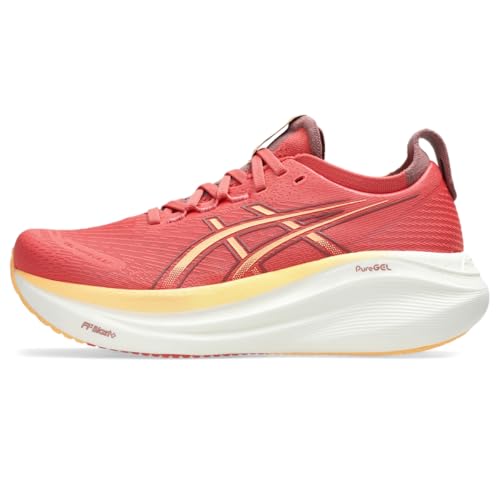
The ASICS Gel-Nimbus 27 focuses on comfort with engineered jacquard mesh upper and a cushioning system designed to cushion each step. The upper uses recycled content to reduce waste, and dyeing processes minimize water and carbon impact. This model supports a smooth ride with a soft, secure fit that helps reduce heel strike impact during longer runs or daily workouts.
Key considerations include the balance of cushioning and breathability, along with sustainability-minded manufacturing choices. The Nimbus 27 is well-suited for runners who want a plush feel without sacrificing responsiveness, though heel pain relief may be enhanced by pairing with orthotics or specific heel-support options if needed.
Tuli’s Heavy Duty Heel Cups

These heel cups focus on shock absorption and relief from heel pain caused by plantar fasciitis, Sever’s disease, and other conditions. The multi-cell, multi-layer design is intended to mimic natural foot shock absorption, reducing stress during walking or running. Podiatrist-preferred status adds a level of clinical confidence for many users seeking targeted heel protection.
Pros include immediate relief from heel pressure and compatibility with most shoes. They provide a non-slip base to help keep the inserts secure inside footwear. If heel pain is a daily issue, these inserts can be a simple, discreet way to increase comfort across various activities.
OrthoComfoot Women’s Orthopedic Wide Sport Shoes

This model emphasizes a wide toe box and elevated arch support for foot conditions like plantar fasciitis and diabetic foot concerns. The design aims to distribute pressure evenly and reduce heel strain, making it a practical choice for runners who require more space and supportive stability. The features highlight comfort during extended wear and a versatile outsole for various activities, including walking and light running.
OrthoComfoot Women’s Orthopedic Road Running Shoes (Diabetic Friendly)

These road running shoes are designed for orthopedic comfort with diabetic considerations in mind. They offer orthopedic arch support, cushioning for impact, and a breathable upper to maintain comfort during extended wear. The emphasis on flat-foot relief and heel comfort makes them a sensible option for those managing chronic heel pain in daily activities and training.
Buying Guide: Key Purchase Considerations
When selecting running footwear for heel pain, consider these perspectives to ensure a good match for your needs:
- Cushioning vs. support: Plush cushioning reduces heel impact, while stable arch support helps control foot mechanics. A balance of both is ideal for many runners with heel pain.
- Arch type and toe box: A supportive arch with a comfortable toe box prevents pressure buildup behind the toes and accommodates wider feet if needed.
- Heel-to-toe transition: Look for a smooth transition that minimizes abrupt heel strikes, which can aggravate heel conditions.
- Upper material and breathability: A breathable upper reduces heat and moisture, improving comfort over longer sessions.
- Inserts and orthotics: Consider whether you will add heel cups or custom orthotics for additional heel relief and alignment.
- Durability and surface use: Determine if you need a versatile outsole for road running, gym workouts, or mixed-terrain activities.
- Foot health certifications: Shoes with podiatrist endorsement, APMA acceptance, or medically oriented features can provide added assurance for pain-related conditions.
- Sizing and fit: Proper width and a secure midfoot fit help prevent slipping and excessive pressure on the heel.
All five footwear options provide varying levels of heel-pain relief, from cushioned road-running shoes to orthopedic designs and heel-support inserts. Choose a combination that aligns with your foot structure, activity level, and comfort preferences, and consider consulting a podiatrist if heel pain persists.