Choosing the right road bike fork can improve ride quality, stiffness, and tire clearance. This guide reviews top carbon and alloy options designed for 700C wheels, with a focus on stability, weight, and braking compatibility. Whether you ride smooth pavement or light gravel, find a fork that matches your bike and riding style.
| Product | Brand | Type | Key Benefit |
|---|---|---|---|
| BUCKLOS 28.6mm 700C Full Carbon Fiber Road Bike Rigid Fork | BUCKLOS | Carbon, 1-1/8″, threadless | Lightweight with excellent vibration damping |
| WCS 700C Carbon Road Bike Fork – 1-1/8” Straight Steerer | WCS | Carbon, flat mount disc compatible | Low weight, strong stiffness, versatile braking |
| WCS 700C Carbon Fiber Gravel Bike Fork | WCS | Carbon, straight steerer | Good tire clearance for wider gravel tires |
| Exceedhub 700C Carbon Fiber MTB Front Fork | Exceedhub | Carbon, tapered tube, 12mm TA | Disc brake readiness, wide tire support |
| BUCKLOS Gravel 700C Carbon Fiber Road Fork | BUCKLOS | Carbon, 1-1/8″, tapered | Gravel-capable with thru-axle option |
Note: All products listed are designed for 700C wheels and emphasize carbon construction for weight savings and vibration dampening. Check your frame compatibility, brake type, and axle standards before purchase.
id=”bucklos-compact-carbon-road-fork”>BUCKLOS 28.6mm Carbon Road Fork With C-Type Clamp Brake

The BUCKLOS fork uses 3K T800 full carbon blades to reduce road vibration and weight. It accommodates 700C wheels, 28.6 mm straight tube, and a 9 mm QR through 100 mm spacing with a 35 mm offset. It supports 23C maximum tire width and adopts a C-type clamp brake interface for compatibility with modern brake standards.
Key features include high-strength, high-tenacity carbon construction and a focus on comfort without sacrificing stiffness. This fork is well-suited for road riders seeking a lightweight upgrade with improved ride feel on rough pavement.
id=”wcs-700c-carbon-road-fork”>WCS 700C Carbon Road Bike Fork – 1-1/8” Straight Steerer
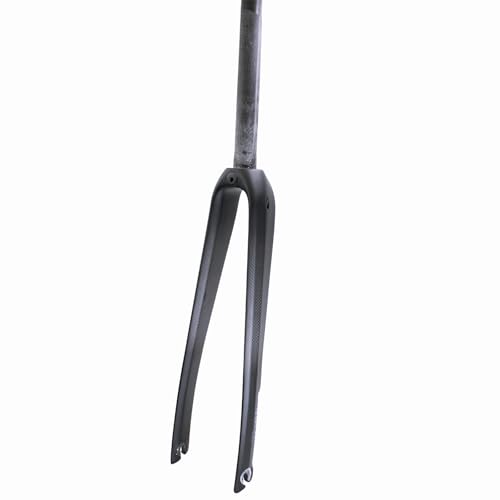
This fork offers a lightweight carbon build at roughly 400 g, delivering stiffness, vibration damping, and responsive handling. It supports flat mount disc brakes and traditional caliper brakes, making it versatile for modern road bikes and some gravel setups. Tire clearance accommodates up to 32C on 700C wheels.
With a 1-1/8″ steerer and 9 mm QR compatibility, it remains a practical upgrade for riders seeking a balance of weight savings and braking flexibility without sacrificing ride quality.
id=”wcs-carbon-fiber-gravel-fork”>WCS 700C Carbon Fiber Gravel Fork

This fork weighs about 410 g and uses 3K T800 carbon fiber for strength and lightness. It features a 1-1/8″ straight steerer and flat mount disc brake compatibility, designed for disc-equipped gravel and mixed-terrain bikes. It is optimized for wider tires and stability on rough surfaces.
Designed to endure gravel conditions, it prioritizes stiffness-to-weight ratio and vibration control, helping riders maintain control on uneven roads.
id=”exceedhub-gravel-road-front-fork”>Exceedhub Carbon Gravel Front Fork

Exceedhub offers a 700C carbon fiber front fork with 1-1/8″ tapered tube and options for 9 mm QR or 12 mm thru-axle. It supports disc brakes with a post-mount arrangement and is compatible with tires up to 140 mm rotor needs. Carbon fiber construction emphasizes light weight, stiffness, and ride comfort for gravel and mixed-terrain cycling.
Its taper and disc compatibility make it suitable for riders upgrading a road or gravel bike to better off-pavement performance while maintaining a clean aesthetic and dependable braking.
id=”bucklos-gravel-carbon-fork”>BUCKLOS Gravel 700C Carbon Fiber Fork

This carbon fiber rigid fork is designed for gravel bikes, featuring a 1-1/8″ tapered tube and a 9 mm QR with 100 mm spacing, plus a 40 mm offset. It supports 100 x 12 mm thru-axle options and is optimized for disc brakes with 160 mm rotors. The 3K T800 carbon blades provide-vibration damping and a high-strength, lightweight feel suitable for mixed-terrain riding.
The fork emphasizes tire clearance and stability on rough surfaces while maintaining a light footprint appropriate for gravel adventures.
id=”golden-cycles-track-fork”>Golden Cycles Fixie Fork (1-1/8

Although primarily intended for fixed-gear frames, this steel fork uses a 1-1/8″ steer tube and a traditional road track geometry with a 44 mm rake. It provides a classic aesthetic and reliable durability, making it a budget-friendly option for track or fixed-gear builds where compatibility with steel frames is desired.
Buying Guide: Key Considerations For Road Bike Forks
- Material and weight: Carbon forks offer stiffness and vibration damping at low weight, while steel forks are durable and affordable but heavier.
- Steerer type and compatibility: Ensure the steerer diameter (1-1/8″ is standard for many road bikes) and the fork is compatible with your frame’s head tube and crown race.
- Brake compatibility: Disc brakes require post-mount or flat-mount compatibility; rim brakes require caliper compatibility. Check axle standards (QR vs thru-axle) as well as rotor size limits.
- Tire clearance: Verify maximum tire width and overall fork clearance, especially for gravel or endurance setups with wider tires.
- Steerer taper and length: Tapered forks can improve front-end stiffness on gravel and road bikes; ensure the crown race and steerer length fit your frame geometry.
- Rake and offset: Rake impacts steering feel and wheel alignment; consider how offset affects handling on corners and stability at speed.
- Weight distribution and ride feel: Carbon blades dampen vibrations for comfort on rough roads; stiffer forks can improve immediate steering response on smooth roads.
- Maintenance and durability: Carbon forks require careful installation and torque control; steel forks are simpler to service and repair.
- Intended use: Gravel, endurance, or pure road forks have different clearance and compatibility priorities; match fork design to riding terrain.