When searching for a mountain bike that prioritizes efficiency, stiffness, and direct handling, rigid or near-rigid builds stand out. This guide highlights top options on the market that lean toward minimal suspension, strong frames, and reliable stopping power. Below, five bikes and related products with rigid or near-rigid characteristics are reviewed for American riders who crave precise control on varied terrains. The selections balance lightweight framing, responsive shifting, and durable braking to support versatile trail adventures.
Summary Table Of Chosen Products
| Product | Brand | Key Benefit | Link |
|---|---|---|---|
| BestParts Toseek 26″ MTB Fork | BestParts | Full Carbon Fiber, rigid fork for lightweight rigidity | Amazon |
| Schwinn High Timber ALX Mountain Bike | Schwinn | Aluminum frame with reliable 21 speeds for varied terrain | Amazon |
| Mongoose Argus ST Fat Tire Mountain Bike | Mongoose | Fat tires for stability on mixed surfaces | Amazon |
| SmiloSprk Low-Step Mountain Bike | SmiloSprk | Low-step frame and 21-speed for easy mounting | Amazon |
| Convend 27.5 Inch Mountain Bike | Convend | Front suspension with dual disc brakes and 21 speeds | Amazon |
BestParts Toseek 26″ MTB Fork Review

The BestParts Toseek rigid fork is engineered from 3K T800 carbon fiber, combining high strength and light weight. It is designed for riders who want maximum road feel and minimal suspension bounce on rocky terrain. The fork aims to reduce road vibration while maintaining responsive steering for precise control, and its tapered tube construction supports efficient power transfer. This component targets riders who assemble a near-rigid mountain bike or upgrade an existing frame for stiffer performance moving into technical trails.
Key features include: 3K T800 full carbon fiber blades, high tensile strength, and a focus on vibration absorption through a carbon design rather than added weight from conventional materials. The visual profile emphasizes a sleek, lightweight aesthetic. As a component, it complements bikes by delivering improved stiffness and direct feedback to the rider, especially when navigating tight corners or fast descents. Potential buyers should verify compatibility with their head tube diameter and axle standards before purchase.
Schwinn High Timber ALX Mountain Bike Overview

The Schwinn High Timber ALX is a versatile aluminum framework mountain bike designed for adults and teens seeking a reliable hardtail experience. It features 26-inch wheels suitable for riders from approximately 5’4” to 6’2”. The alloy crank enables smooth gear changes with minimal maintenance, while twist shifters paired with a rear derailleur support quick gear adjustments on varied terrain. Front suspension adds a controlled level of give to absorb bumps without compromising the rider’s sense of road feel, making it a practical entry to intermediate trails and everyday commuting alike.
Product highlights include: a lightweight aluminum frame, 21 speeds for adaptable climbs and flats, front suspension for shock absorption, and mechanical disc brakes for dependable stopping power in diverse conditions. The bike emphasizes straightforward maintenance and a comfortable geometry ideal for riders building confidence on light to moderate trails. While not a fully rigid setup, its hardtail design offers a balanced blend of efficiency and control in everyday mountain riding.
Mongoose Argus ST Fat Tire Adventure
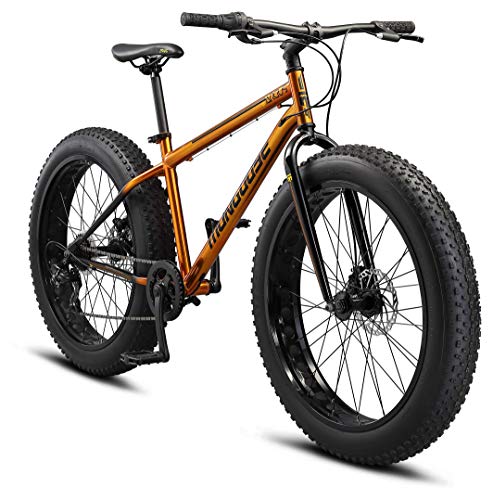
The Mongoose Argus ST is built for adventure with 26-inch wheels and 4-inch fat tires that provide substantial grip on loose surfaces, soft sand, or light snow. This steel hardtail frame prioritizes durability and stability, making it a robust choice for riders exploring mixed terrain. The bike’s 17-inch frame suits a broad height range, and the rigid efficiency of a hardtail helps riders maintain momentum on mild climbs and flat sections, while the alloy rims contribute to lighter rotational mass for easier handling.
Notable points include: a steel hardtail frame, wide knobby tires for all-terrain performance, and mechanical disc brakes ensuring consistent stopping in varying weather. The Argus ST emphasizes a straightforward, no-nonsense build suitable for riders who value predictable handling and easy maintenance on weekend trail excursions or casual commutes. While not a carbon rigid fork, its emphasis on sturdy construction and modest suspension share the same goal: efficient, confident trail riding.
Convend 27.5 Inch Mountain Bike: Versatile All-Terrain
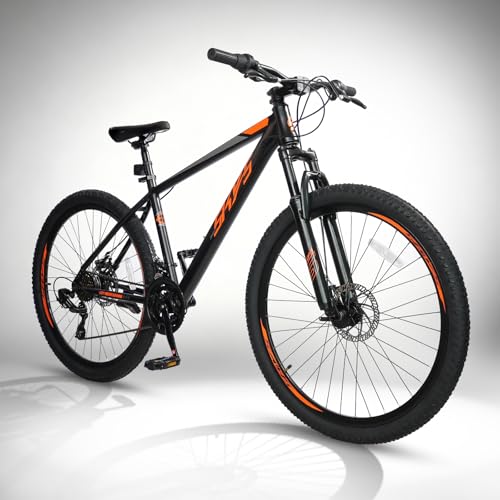
The Convend 27.5-inch mountain bike combines dual disc brakes, a front suspension fork, and a 21-speed twist shifter for broad adaptability across city streets and trails. The front suspension improves comfort on rough surfaces, while the dual mechanical discs deliver reliable braking in diverse conditions. Its all-terrain tires provide grip across environments, empowering riders to transition between urban roads and light off-road paths with confidence. This bike is well-suited to riders seeking a versatile platform that can handle daily commutes and weekend trail adventures.
Key considerations include: a front-suspension fork for comfort, a 21-speed drivetrain for climbs and descents, and dual disc brakes for controlled stopping. The lockout front suspension feature enhances pedaling efficiency on smooth surfaces, while still offering cushioning when the terrain roughens. It’s a balanced option for riders who want a single-bike solution for mixed riding environments, though it isn’t a full rigid-frame model by design.
BSFHQS Aluminum Hardtail: XC/AM Frame Overview
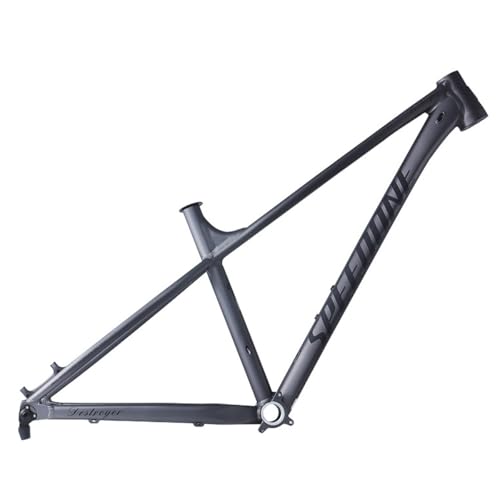
The BSFHQS hardtail frame emphasizes aluminum alloy construction designed for XC and AM riding. The frame supports 27.5″ and 29″ tires with a through-axle boost, delivering stiffness and precise steering under load. Its internal routing hides cables to reduce wear, while the tapered head tube and compatibility with 160mm–203mm rotors broaden braking options. The kit is oriented toward riders who value a high-performance rigid-like feel through a stiff, wind-resistant frame and precise geometry for aggressive trail work.
Important points include: a lightweight aluminum frame, 12x148mm thru-axle compatibility, internal cable routing, and a wide tire clearance empowering riders to run up to 2.35″ tires. The design supports race-inspired frames and an all-terrain approach, making it a solid backbone for riders seeking a higher-end hardtail platform that leans toward rigid performance. Before purchase, confirm frame size and wheel compatibility with your preferred components.
Buying Guide: Rigid Mountain Bike Considerations
When evaluating rigid or semi-rigid setups, consider frame material, weight, stiffness, geometry, braking, and compatibility with wheel/tork axle standards. A carbon fiber fork offers vibration damping and stiffness without adding weight, ideal for rigid or semi-rigid builds. Aluminum frames provide strength and cost-effectiveness but may feel harsher on rough terrain unless paired with adequate tire volume and seat/post padding.
- Frame material and stiffness: Carbon components reduce weight and increase rigidity, improving energy transfer on climbs and sprints, but can be pricier. Aluminum offers durability and affordability, with modern geometries that support responsive handling.
- Suspension trade-offs: Full-suspension bikes offer comfort on rough trails but add weight and maintenance. Rigid or hardtail designs optimize power transfer and efficiency, particularly on smooth sections or well-groomed trails.
- Wheel size and tire clearance: 26″, 27.5″, and 29″ wheels each have handling profiles. Fat tires improve stability on loose surfaces but increase rolling resistance on pavement.
- Braking systems: Mechanical discs provide robust stopping power in varied conditions; hydraulic discs offer modulation and power with increased maintenance concerns.
- Compatibility and upgrades: Consider head tube size, axle standards (through-axles like 12x148mm), and compatibility with carbon components if upgrading to a near-rigid configuration.
- Intended use: For trail riding and aggressive terrain, prioritize stiffness and efficient power transfer. For mixed-use riding and beginner-friendly trails, a modest amount of suspension can improve comfort without sacrificing efficiency.
Overall, these selections represent a spectrum from carbon-rigid enhancements to rugged hardtails with front suspension. Buyers should align their choice with preferred trails, climate, maintenance willingness, and budget. For riders seeking a truly rigid riding experience, focus on frames and forks that emphasize stiffness, low weight, and simple, reliable braking systems, while ensuring compatibility with their existing wheels and drivetrain.