Tank up your back, glutes, and core with purpose-built reverse hyper machines. This guide highlights five reliable options that balance rehab benefits, full-body strength, and space-conscious design for American homes. Each selection targets the lower back, hips, and posterior chain while supporting safe, controlled movement. The table below gives a quick snapshot to compare core specs and primary benefits.
| Product | Brand | Key Benefit | Capacity (approx.) |
|---|---|---|---|
| Titan Fitness Economy H-PND | Titan Fitness | Back rehab, glute/hams, versatile training | 100 lb lift difference vs larger model |
| SPART H-PND Reverse Hyperextension | SPART | Full-body supportive machine for rehab and strength | Up to 1100 lbs total capacity |
| syedee Seal Row Bench | syedee | Isolated back work with safe chest support | 1500 lbs weight capacity |
| Mikolo Seal Row Bench | Mikolo | Same family of seal-row benefits with adjustable setup | 1500 lbs capacity |
| Houbos Hyper Back Extension Roman Chair | Houbos | Multi-workout roman chair for back and core | 300 lb capacity |
SPART H-PND Reverse Hyperextension
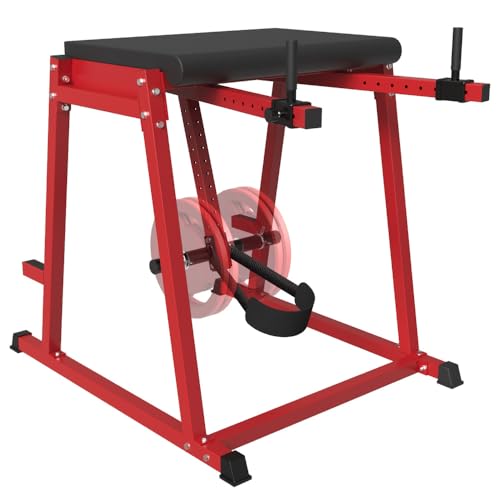
The SPART H-PND is built around a heavy-duty steel frame and 12-gauge tubing, delivering a solid platform for back, hip, and leg development. Its tall profile and generous footprint provide stability during dynamic reverse hyperextensions and related movements. The machine accommodates a total weight capacity up to 1100 pounds, with a 660-pound loadable sleeve and a 440-pound user limit. Designed for cross-training, it supports progressive volume for rehab, strength, and athletic conditioning. The multiple grip and height options help tailor the exercise to individual comfort and goals.
Titan Fitness Economy H-PND

The Titan Fitness Economy H-PND focuses on rehabilitating the lower back while engaging key posterior chain muscles—glutes, hamstrings, and hips. It offers a practical pricing point for home gyms, enabling users to diversify workouts beyond a single machine. The design emphasizes a lean, muscular build through targeted activation of the lower back and legs. Its compact form supports routine inclusion in small spaces, making it suitable for beginners and more experienced athletes pursuing variety in their lower-body programming. A versatile option for ongoing therapy and conditioning.
Mikolo Seal Row Bench

The Mikolo Seal Row Bench focuses on isolating the back with a 37-inch elevated bench and a stable chair design. It supports a 1500-pound total capacity and provides eight adjustable heights for the weight bars, plus eight handle positions. This configuration helps users achieve a full range of motion for lat development while maintaining proper posture, especially during seal row movements and supplementary presses or curls. The design emphasizes safety, stability, and accessibility for a wide range of body types and experience levels.
syedee Seal Row Bench

The syedee Seal Row Bench is designed to isolate back muscles with chest support to minimize momentum and reduce fatigue from hamstrings and core. The 37-inch elevated bench provides ample range for stretching and contracting the lats, while the 8-height adjustable bar supports ensure the ideal starting position for most users. The package includes necessary accessories like a yoga strap and barbell clamps, supporting a versatile range of pulling and rowing movements during rehab and conditioning sessions.
Houbos Hyper Back Extension Roman Chair

The Houbos Hyper Back Extension Roman Chair is a multifunction bench designed for back, glute, hamstring, and core work. It supports hyperextension, side bends, sit-ups, and reverse crunches, making it a flexible addition to a home gym. The frame is sturdy with a 300-pound bearing capacity and multiple adjustment options to dial in fit and comfort. This model is well-suited for users seeking a compact, all-in-one solution for posterior chain training, especially in spaces with limited equipment variety.
Buying Guide
Key considerations help you pick a reverse hyper setup that fits home gym needs, rehab goals, and budget:
- Purpose and rehab goals: Choose a model with back-focused exercises and adjustable resistance to support gradual progression in rehabilitation or conditioning programs.
- Weight capacity and safety: Look for higher total capacity and stable bases to minimize wobble during intense sets. Prioritize padded supports and secure weight posts.
- Footprint and space: If space is tight, prefer compact, foldable, or bench-integrated designs that still offer full range of motion.
- Adjustability: Multi-height posts, handle positions, and foot supports enable personalized alignment, reducing strain and improving form.
- Versatility: Some units double as seal-row benches or roman chairs, expanding exercise options beyond reverse hyperextensions.
- Ease of assembly and maintenance: Modules with clear instructions and durable finishes reduce setup time and long-term upkeep.
- Accessory compatibility: Check for included straps, clamps, or mounting options that simplify adding accessory movements.
- Budget vs long-term value: Consider total cost of ownership, warranty, and the breadth of exercises supported to maximize long-term use.
In practice, selecting a reverse hyper machine for a home gym requires balancing rehab potential with practical space and budget constraints. The options listed herein emphasize back health, posterior-chain development, and safe performance, with varied capacity and configurability to suit different home setups. Review each product’s specifications and ensure proper usage guidance aligns with your fitness or physical therapy program.