Rotator cuff care often starts with controlled resistance training to improve strength, flexibility, and joint stability. This guide highlights five resistance band sets and devices that are well-suited for shoulder rehab, rotator cuff exercises, and gentle recovery routines. Each option emphasizes safe, progressive resistance and portability for at‑home or on‑the‑go workouts. Read on to compare features, benefits, and how to incorporate these tools into a rotator cuff care plan.
| Product | Brand | Best For | Notes |
|---|---|---|---|
| THERABAND Resistance Bands Set, Beginner Kit | THERABAND | Beginner rehab, flexibility, gentle activation | Non-latex option; color-coded resistance |
| THERABAND Resistance Bands Set, Beginner Kit | THERABAND | Beginner rehab, flexibility, gentle activation | Latex option; color-coded |
| ATENTO Shoulder Rehab Pulley System | ATENTO | Shoulder mobility, range of motion, rotator cuff rehab | Door anchor, multi‑anchor options |
| BSJ BESTGYM Resistance Bands | BSJ BESTGYM | Versatile resistance, portable training | Multiple resistance levels with color coding |
| Kvittra Figure 8 Resistance Band | Kvittra | Full upper body mobility, shoulder flexibility | 8‑shape handle design, ergonomic |
Note: The selection focuses on bands and devices that support safe rotator cuff engagement, gradual loading, and practical home workouts. Always consult a healthcare professional before starting a new rehab routine, especially after an injury or surgery.
Theraband Beginner Non-Latex Bands – Safe Rehab Set

This Theraband set is designed for safe, low-impact resistance training at home or on the go. The non-latex option is ideal for users with latex sensitivity and supports early-stage rotator cuff activation, gentle shoulder flexion, and mobility work. As a beginner tool, it helps with light range-of-motion tasks and gradual strength gains without overloading the joint. The color-coded bands provide clear progression cues, helping users track improvements in shoulder stability and flexibility. The compact, flat design makes it easy to carry for travel or clinic appointments.
Key use cases include: assisted external/internal rotation with light tension, scapular retraction drills, and simple isometric holds. For reliability, follow a clinician-approved sequence that starts with the yellow band (light) and progresses to stronger options over several weeks. Always monitor for any pain or discomfort and adjust intensity accordingly.
Theraband Latex Beginner Kit – Progressive Load

This latex version mirrors the beginner setup with clear color coding and a slightly different width specification, offering an alternative for users who are not sensitive to latex. The bands support rotator cuff-friendly movements, including shoulder abduction and external rotation with controlled tension. The set is portable, making it simple to perform rehab drills at home, in a gym, or during physical therapy sessions. As with any rehabilitation program, you should advance intensity slowly and maintain proper form to protect the shoulder joint.
Practical guidance includes using the bands for guided hinge motions, postural drills, and gentle resistance with scapular stabilization cues. If you have a known shoulder condition, coordinate with a clinician to tailor band strengths and exercise reps to your recovery plan.
ATENTO Shoulder Rehab Pulley System

The ATENTO door-anchored pulley system is designed to assist shoulder rehabilitation by enabling controlled, multi-directional stretching. This setup is particularly useful for improving range of motion after rotator cuff issues, arthritis, or shoulder surgery. The four anchor loops support varied exercises and hand positioning, promoting gradual flexibility gains while reducing strain on the joint. The system includes padded handles and a strap that clamps to a door, allowing safe, punch-free attachment. When used in conjunction with clinician-approved routines, it can accelerate mobility restoration and improve shoulder mechanics.
Common exercises include pulley-assisted flexion, external rotation with guided resistance, and posterior capsule stretching. Start with low-load movements and progress only as range and comfort increase. Ensure the door is secure and avoid sudden jerks or overextension that could aggravate a rotator cuff condition.
BSJ BestGym Resistance Bands With Handles

This five-band set offers a broad range of resistance levels with color-coded options, providing flexibility for rotator cuff exercises that progress from gentle activation to increased loading. The bands are lightweight and come with a travel pouch, making it easy to perform rehab routines anywhere. For shoulder rehab, use lighter bands to support scapular stabilization, external rotation, and internal rotation drills, then gradually introduce stronger bands as tolerated. The versatility supports a variety of upper-body movements beyond the shoulder, which can all contribute to improved posture and functional strength surrounding the rotator cuff.
Recommendations include pairing the bands with guided exercises such as lateral raises, prone T or Y raises, and controlled resisted rotations. Be mindful of elbow and wrist alignment to avoid compensations that could place stress on the cuff. Use a floor mat or bench to stabilize the body during more demanding movements.
Kvittra Figure 8 Resistance Band
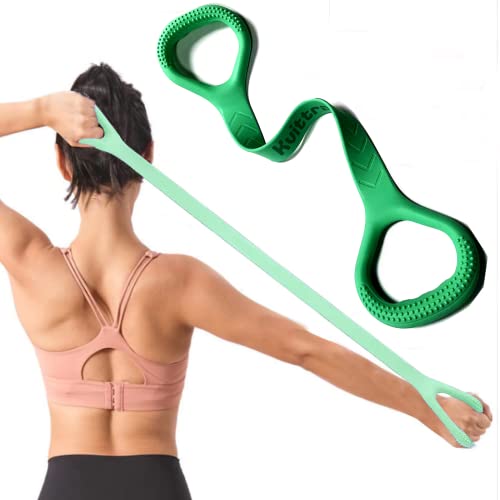
The Kvittra Figure 8 band features an ergonomic 8-shape handle design, with a massage point to enhance comfort during longer rehab sessions. This band is suited for multiplex upper-body drills that target arm and shoulder mobility, including a range of scapular and rotator cuff stimulation exercises. Its design can help users perform resisted stretches, chest openers, and thoracic mobility work that support better shoulder mechanics. The flexibly shaped handles reduce grip fatigue, allowing users to maintain correct form through a broader set of movements.
Suggested routines include combination moves that blend shoulder flexion with scapular retraction, as well as posture-focused stretches. For rotator cuff rehabilitation, emphasize smooth, controlled movements and avoid rapid or ballistic actions. When incorporating into a routine, start with lighter tension and progress gradually to avoid aggravating the cuff or surrounding joints.
Buying Guide: Key Purchase Considerations For Rotator Cuff Rehab
- Resistance range and progression: Choose bands or systems that offer a gentle start with clear progression. Rotator cuff rehab often benefits from light to moderate resistance with controlled, repetitive motions.
- Material and skin comfort: Non-latex options reduce allergy risk. Padded handles and ergonomic grips help sustain longer sessions without grip fatigue.
- Direction and variety of movement: Systems with door anchors, pulleys, or multiple anchor points enable a broader set of rotator cuff exercises—external/internal rotation, abduction, and scapular stabilization.
- Portability and ease of use: Lightweight, compact sets support consistent daily routines, whether at home, in clinic, or while traveling.
- Safety and clinical alignment: Look for products that support supervised rehab protocols, including clear instructions, safe anchor points, and resistance levels that align with physical therapy guidance.
- Durability and maintenance: Durable materials reduce the risk of snapping under tension. Proper storage extends life and maintains consistent resistance over time.
- All-in-one versatility: Some kits include door anchors, ankle straps, or multiple resistance bands, enabling a broader rehab program beyond the rotator cuff to address shoulder girdle mechanics.
How to Use These Tools Safely
Start with a clinician-approved plan and validate your form in front of a mirror or with a physical therapist. For rotator cuff rehab, prioritize controlled, slow movements with conscious scapular positioning. Avoid fast, jerky motions and any movement that increases pain. If pain persists, pause the exercise and consult a healthcare professional. Always warm up before resistance work and cool down afterward with gentle stretches to maintain shoulder mobility.