Desert riding demands tires that balance grip on loose sand with stability on hardpacked sections. The following five tires are well-suited to desert terrains, offering rugged construction, knobby tread patterns, and reliable puncture resistance. This guide compares key features to help you choose tires that maximize traction, control, and durability in harsh desert conditions.
| Product | Brand | Size / Type | Notes |
|---|---|---|---|
| Meghna 29 x 2.125 | Meghna | 57-622 (29 inch, Foldable) | All-terrain, knobby tread; desert-ready grip |
| Meghna 24 x 2.125 | Meghna | 57-407 (24 inch, Foldable) | All-terrain, improved water drainage, strong grip |
| Hycline 20 x 2.125 | Hycline | 57-406 (20 inch, Folding) | Large tread blocks for loose surfaces; water drainage |
| VESBIKE 26 x 2.125 | VESBIKE | 26 inch, Folding | Deep groove anti-skid tread; stable on mud and sand |
| Blackburn 26 x 1.75-2.25 | Blackburn | 26 inch, 1.75–2.25 | Protective layer and tall knobby tread for traction |
Meghna 29 x 2.125 Mountain Bike Tire
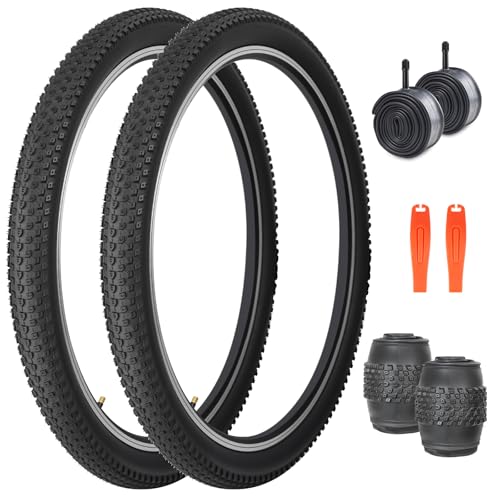
The Meghna 29 x 2.125 tire is designed for aggressive mountain terrain with a knobby pattern that delivers enhanced grip on uneven ground. Its foldable construction reduces weight and simplifies storage. The tire supports a maximum inflation of 40 PSI and includes outer and inner tubes with tool levers for quick changes. The tread blocks are optimized to drain water and maintain contact on varied surfaces, including desert sand, which helps keep traction when shifting between dunes and rocky sections. This tire targets riders seeking reliable all-terrain performance with a focus on grip and stability in arid environments.
Meghna 24 x 2.125 Mountain Tire Set
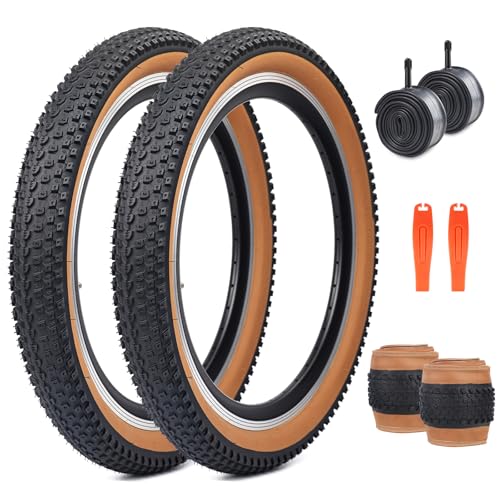
This 24-inch Meghna tire set includes two foldable tires, tubes, and tire levers. Its 24 x 2.125 inch sizing (57-407) is suitable for smaller frames or riders seeking a compact desert setup. The tread incorporates a group of eight blocks designed to improve grip, especially on loose surfaces, while maintaining water drainage. The design emphasizes safe handling across varied terrains—from rocky tracks to sandy patches—by sustaining consistent contact with the ground and enhancing wet-road grip when necessary. A practical option for riders who want dependable all-terrain performance without oversized tires.
Hycline 20 x 2.125 Mountain Tire Set

The Hycline 20 x 2.125 set is built for aggressive off-road riding with large, staggered tread blocks that dig into loose or uneven surfaces such as sand and gravel. The arrow-shaped center tread minimizes rolling resistance while maintaining traction, delivering straight-line stability on challenging desert sections. This tire is designed for compatibility with a range of MTB frames and does not compromise on grip or cornering control in scorching conditions. A strong option for riders planning longer desert trails with mixed terrain.
Allscape 20×4.0 Fat Tire E-Bike Tires

Allscape’s 20×4.0 fat tires are engineered for extreme durability and puncture resistance, making them suitable for fat-tire equipped bikes that encounter desert scrub and rough trails. While optimized for broader surfaces, their robust construction and all-terrain grip can support desert expeditions that run into varied soils and debris. This option suits riders who want to tackle deep sand with a wider footprint and enhanced stability on unpredictable desert routes.
Buying Guide: Desert-Grade Tire Considerations
- Traction vs. Rolling Resistance: In desert environments, deep, multi-directional tread blocks improve grip on sand and rocks, but can increase rolling resistance on hard-packed sections. Look for tires with a balanced tread design that prioritizes bite in loose sand while maintaining efficiency on firmer ground.
- Tread Pattern and Block Height: High, aggressive knobs provide superior traction in dunes and loose soil. For desert trails that feature both sand and rocky segments, consider tires with intermediate and larger center tread blocks to aid stability during straight-line riding and cornering in loose surfaces.
- Durability and Puncture Protection: Desert trails often include sharp rocks and debris. Tires with an extra protective layer or puncture resistance help reduce flats in remote areas. Tubeless-ready systems also offer lower tire pressures for better grip and fewer flats.
- Size and Fit: Ensure compatibility with your bike frame and rim width. Folding tires save space and can reduce rotational mass, but ensure the bead and construction fit your rim profile for reliable seating under low pressures common in desert riding.
- Weight Considerations: Heavier tires tend to offer durability in harsh conditions but may impact acceleration and climbing. For desert riding, a balanced weight-titness approach helps maintain performance across varied terrain.
- Inflation Strategy: Desert riders often benefit from running lower pressures to maximize contact patch and grip on soft sand, while staying above pinch-flat thresholds. Always follow manufacturer wind-up recommendations for safe inflation ranges.
- Maintenance and Spares: Pack inner tubes, tire levers, and a compact pump or CO2 kit. Desert expeditions can involve remote areas where quick tire changes are essential for continuity of ride plans.
When evaluating options, consider your typical desert routes, rider weight, bike geometry, and tubeless compatibility. The five tires highlighted here provide a spectrum of tread designs and structural features to support desert endurance, from nimble 20-inch setups to robust 29-inch wheels. Always pair tires with appropriate rims and tubes to optimize puncture resistance and grip on arid surfaces.