Choosing the right midlayer can make the difference between a dry, comfortable hike and a chilly, uncomfortable outing. This guide highlights five reliable midlayers designed for hiking, trekking, and outdoor adventures. Each option balances warmth, breathability, and ease of movement, so you can layer efficiently in variable conditions. Read on for practical details, key features, and a concise buying guide to help you pick the best midlayer for your next trail.
| Product | Brand | Key Strength |
|---|---|---|
| Boladeci Mens Quarter Zip Pullover | Boladeci | Lightweight fleece, moisture-wicking, wind-blocking lining |
| Mammut Tamaro Midlayer Hooded Jacket | Mammut | Eco-friendly 100% recycled polyester, versatile hooded insulation |
| Squak Classic Men’s Microgrid Fleece Hoodie | Squak Mountain Co. | Soft grid fleece, breathable, flexible fit |
| Rab Men’s Rivelin Hoody | Rab | Lightweight, moisture-wicking, easy layering |
| Helly Hansen Junior Champ 1/2 Zip Midlayer | Helly-Hansen | Soft fleece with practical half-zip and thumb holes |
Boladeci Mens Quarter Zip Pullover Midlayer

The Boladeci midlayer delivers a lightweight fleece with a moisture-wicking profile and four-way stretch for active movement. Its fleece lining enhances warmth without bulk, making it suitable for cool fall hikes or quick multi-pitch climbs. The micro-fleece interior helps block wind, while the quarter-zip placket gives easy ventilation and a secure seal at higher exertion. The fabric mix (92% Polyester, 8% Spandex) ensures a soft hand feel with flexibility for dynamic activities. This piece fits well as a standalone layer on brisk days or under a shell in colder conditions.
Key features and suitability include:
– Fleece-lined warmth with lightweight construction
– Moisture-wicking performance to keep sweat away
– 4-way stretch for unrestricted arm movement
– Auto-locking quarter zipper with chin guard for easy on/off
Ideal uses span cool mornings on the trail, early-season hikes, and travel days where packing light is essential. This midlayer emphasizes comfort in motion, whether you’re climbing, cruising a forest trail, or simply layering for a chilly start.
Mammut Tamaro Midlayer Hooded Jacket
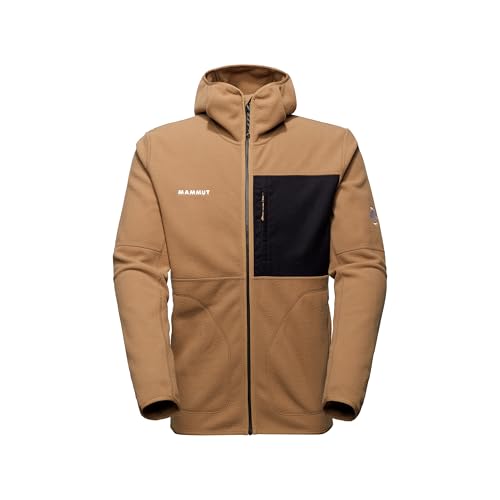
The Mammut Tamaro midlayer emphasizes sustainability with 100% recycled polyester, offering warmth with a cozy, eco-friendly fabric. Its hood adds versatile protection against wind and light rain, making it well-suited for variable mountain weather or early morning hikes. The design prioritizes mobility, with a cut that allows for comfortable layering under a shell or on its own during milder days. Storage is practical too, featuring zippered pockets for securely storing small essentials during ascent or descent.
Highlights include:
– Eco-conscious fabric from recycled polyester
– Lightweight warmth suitable for three-season hiking
– Hooded design for extra protection on exposed summits
– Secure pocket options for on-the-go storage
Best for hikers who want a midlayer that aligns with sustainable gear choices while staying versatile across different terrains and weather patterns.
fit space Men’s Athletic Insulated Jacket

The fit space athletic insulated jacket is designed for lightweight durability and warmth in a compact form. Its fleece interior traps heat efficiently, making it a good choice for chilly mornings on the trail or inners a breezy alpine excursion. The outer layer is engineered to resist wind and moderate moisture, ensuring you stay comfortable during windy sections or light drizzle. This midlayer’s flexibility and snug fit help it perform well as a mid-layer under a waterproof shell in more demanding conditions.
Key aspects:
– Lightweight, durable construction
– Warming fleece lining for added insulation
– Water-resistant and windproof outer layer for protection in mixed weather
Suitable for runners, hikers, and climbers who want a compact, athletic silhouette without compromising warmth or breathability on longer treks.
Squak Classic Men’s Microgrid Fleece Hoodie
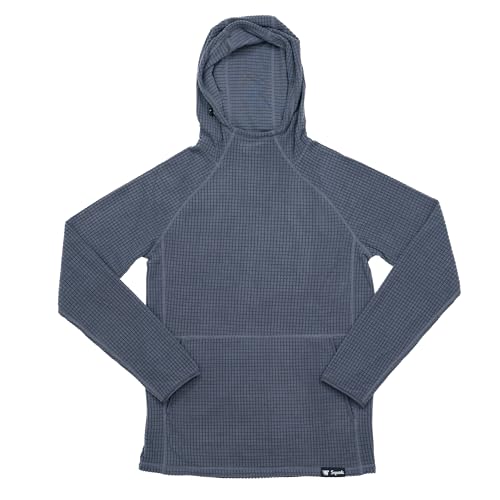
The Squak Classic fleece hoodie is built for movement and all-day wear. Its microgrid fleece provides warmth while maintaining breathability, and it wicks moisture to keep you dry during climbs or longer hikes. The lightweight construction makes it a versatile midlayer that stacks well with other garments in shifting conditions. Thoughtful details such as an adjustable hood and a streamlined cut ensure the hoodie stays in place as you move, preventing bulk and ride-up during exercise.
Notable features include:
– Lightweight warmth with fast-drying properties
– Grid fleece that breathes and flexes with your motion
– Adjustability and a fit designed to stay put during activity
Ideal for cool mornings on the trail, ski trips, or everyday outdoor use where a low-bulk, high-mobility midlayer enhances comfort.
Rab Men’s Rivelin Hoody

The Rab Rivelin Hoody focuses on a lightweight, breathable build that’s easy to throw over a base layer or under a shell. The fabric is designed to wick moisture efficiently, keeping you comfortable during long ascents and high-output days on the trail. The regular fit supports easy layering without feeling restrictive, making it a reliable option for fluctuating mountain conditions. Its minimalist approach prioritizes performance and quick-drying properties over bulky insulation.
Key advantages:
– Lightweight, easy-to-pack midlayer
– Fast-wicking fabric to manage sweat
– Versatile regular fit for layered hiking setups
Best for hikers who value quick-drying comfort and flexible layering in varied climates, from cool mornings to breezy ridgelines.
Helly Hansen Junior Champ 1/2 Zip Midlayer

This junior midlayer is a compact option with a practical half-zip and a plush fleece interior. It’s built for warmth with comfortable touch points like a chin guard and thumb holes, which help seal out drafts on windy sections. The lightweight fleece is ideal for kids or adults who prefer a softer, non-bulky feel. The midlayer can pair with outer shells for extended cold-weather adventures, while remaining easy to care for and quick to dry after a day on the trail or at the ski slope.
Highlights include:
– Soft fleece interior for warmth and comfort
– Half-zip design with chin guard
– Thumb holes and a tailored fit for ease of movement
Suitable for family hikes, youth outdoor programs, or anyone seeking a gentle, warming midlayer with practical features in a lightweight package.
Buying Guide: Key Purchase Considerations
- Material and warmth: Look for fleece or lightweight insulated fabrics that balance warmth with breathability. Consider blends with elastane or spandex for stretch and mobility.
- Weight and packability: Choose a midlayer that folds compactly and weighs minimally, so you can add or remove layers without bulk on the trail.
- Moisture management: Moisture-wicking interiors help keep you dry during exertion and prevent that clammy feeling on long ascents.
- Layering compatibility: A midlayer should layer well under a shell or over a base layer. Check cut and fit to avoid riding up during movement.
- Weather protection: For variable conditions, prioritize wind resistance and light water resistance. A hood or high collar adds protection against wind and cold.
- Fit and mobility: Regular or athletic cuts typically offer the best balance of warmth and freedom of movement for hiking and climbing.
- Durability and care: Look for reinforced seams and easy-care fabrics. Many midlayers are machine washable and quick-drying, which is practical for frequent outdoors use.
- Ethical and environmental considerations: Eco-friendly fabrics (like recycled polyesters) reduce environmental impact without sacrificing performance.
In practice, the best midlayer for hiking will depend on your typical climate, terrain, and layering system. If you hike in cool, dry conditions, a lightweight fleece midlayer like the Squak Classic and Rab Rivelin Hoody can offer excellent warmth with minimal weight. For variable weather, a hooded option like the Mammut Tamaro or a more versatile fit like the Boladeci can handle wind and light moisture while staying breathable. Consider gender-appropriate choices for fit and comfort, and always test layers on a few short treks before longer expeditions.