Discover top lightweight 1 person tents that balance packability, weather protection, and quick setup. This guide reviews five well-regarded options for solo hikers, campers, and backpackers, highlighting what each tent brings to the trail. Whether you’re backpacking in unpredictable weather or car camping with a compact pack, these picks offer dependable shelter without weighing you down.
| Product | Brand | Key Strength |
|---|---|---|
| Night Cat Backpacking Tent for One | Night Cat | Lightweight, easy setup, protective poles |
| Clostnature 1 Person Tent | Clostnature | Ultralight, strong waterproofing |
| OneTigris Stella 1 Person Tent | ONETIGRIS | 3,000 mm waterproof rating, 4-season design |
| Night Cat Upgraded Backpacking Tent | Night Cat | Easier clip setup, roomy interior |
| ALPS Mountaineering Lynx 1-Person Tent | ALPS Mountaineering | Lightweight, freestanding with durable poles |
Below are five vetted options that emphasize portability, weather resistance, and simple setup. Each section includes a direct link to the product on Amazon, a visual, and a concise overview of the features most relevant to solo travelers.
Night Cat Backpacking Tent for One

Weight and packability stand out in this Night Cat model. The inner dimensions accommodate one person with space for essentials, including a backpack and clothing. The tent uses a double-layer design with a protective pole coating to minimize hand injuries during setup, a practical feature for solo hikers who value safety and speed. The overall weight is light for a single-person shelter, and the foldable pole system helps keep the packed size compact for easy stowage in a day pack. This model is a solid choice for backpackers who prioritize quick assembly and travel-friendly design.
Clostnature 1 Person Tent for Backpacking

Clostnature emphasizes a balance of weight, space, and weather resistance. The tent is described as ultralight, with a total weight around 4 pounds and a compact packed size. A PU 5000 waterproof coating on the rain fly and factory-sealed seams contribute to reliability in wet conditions, while the freestanding design and two aluminum poles support simple setup. The interior dimensions provide a comfortable sleeping area for one person, with enough room for personal gear and a sense of overall livability that many ultralight tents sacrifice for weight. This tent suits hikers who want a spacious feel without a heavy load.
OneTigris Stella 1 Person Tent
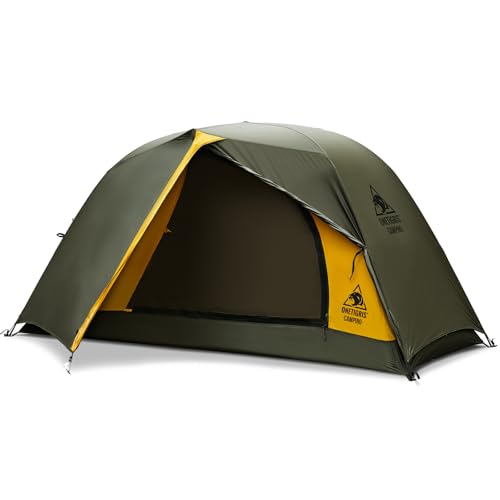
The Stella Series from OneTigris is a versatile option designed for year-round use. It features a lightweight nylon outer fabric with a single-layer silicone coating to maintain strength and reduce weight, while still providing a solid waterproof rating. A removable blackout outer tent adds flexibility in how you use the shelter, which can help with airflow and interior visibility. The tent is designed for four-season performance with a breathable inner mesh and a durable bottom layer, making it suitable for unpredictable weather, high winds, or humid environments. Backpackers who want a compact shelter that can handle diverse conditions may prefer Stella for its durability and adaptability.
Night Cat Upgraded Backpacking Tent

This Night Cat model emphasizes an easier clip-based setup, reducing assembly time to roughly a minute. The inner space is optimized for one adult and an adjacent sleeping pad, with a small vestibule for footwear or small gear. The rain protection relies on a 210T PU 3000 fabric with a robust bottom, and the build includes sturdy fiberglass poles, metal stakes, and guy lines to improve stability in wind. It’s a practical option for solo campers who want a straightforward setup process and reliable protection in varying conditions.
ALPS Mountaineering Lynx 1-Person Tent

The ALPS Lynx blends lightweight design with dependable shelter features. With a freestanding aluminum two-pole system, setup is quick and intuitive, allowing solo campers to pitch camp with minimal effort. The weather protection includes a 75D fabric with waterproof ratings to handle rain and wind, along with a durable floor that helps keep moisture out. This tent prioritizes a balance between weight, durability, and installment speed, making it a preferred choice for hikers who value a straightforward, reliable shelter on longer trips or varied terrain.
Buying Guide: What To Consider When Choosing a Lightweight 1 Person Tent
- Weight and packed size: For long treks, every ounce matters. Compare trail weight (tent, poles, rainfly) and packed dimensions to ensure it fits your pack.
- Weather rating and seasonality: If you hike year-round, opt for a tent rated for all seasons with a robust rainfly and protected seams. A removable blackout panel can improve airflow and temperature control in hot or humid environments.
- Footprint and interior space: Inside width and peak height influence comfort in real-world use. If you’re taller or carry bulky gear, check dimensions and vestibule space for shoes and packs.
- Setup method: Freestanding design with aluminum poles and clip systems can speed setup, especially in windy or uneven terrain. Practice pitching before a trip to minimize on-site time.
- Ventilation and condensation control: Large doors and mesh panels help reduce condensation. Look for ventilation windows or adjustable vents for humid nights.
- Durability and materials: Consider fabric denier, coatings (PU or silicone), and floor durability to withstand abrasion, wind, and moisture.
- Versatility and adaptability: Some tents offer removable outer tents or detachable components for different climates, boosting utility across seasons.
- Price vs. performance: A higher price often reflects better materials and longer life, but many mid-priced tents offer excellent value for solo adventures.
All five tents prioritize modest weight and practical shelter for solo use. If you expect frequent rain, focus on waterproof ratings and seam sealing. If you plan to camp in unpredictable weather, a robust pole system and a larger vestibule can improve comfort and gear storage. For hikers who value quick setup, clip-based systems and freestanding designs are advantageous. Finally, consider your typical camping environment—backcountry trails, car camping, or mixed use—as this will guide the best balance of weight, space, and durability for your needs.