Lifting belts help beginners build core stability and protect the lower back during compound lifts. This guide highlights five entry‑level belts that emphasize secure locking, comfortable fit, and reliable performance in common gym movements like squats, deadlifts, and presses. Each option is suitable for both men and women and designed to accommodate growing strength without sacrificing comfort or safety.
Summary of chosen products
| Product | Brand | Main Benefit | Width | Lock Type |
|---|---|---|---|---|
| Self-Locking Weight Lifting Belt | Element 26 | Self-locking buckle for secure, slip-free use | 4 inches | Self-Locking buckle |
| Gymreapers Quick Locking Weight Lifting Belt | Gymreapers | Fast, reliable buckle for quick transitions | 4 inches | Quick-lock buckle |
| RitFit Weight Lifting Belt | RitFit | Wide support for back and core stability | 6 inches | Traditional buckle |
| MANUEKLEAR 10mm Thick Lever Belt | M MANUEKLEAR | Lever buckle for one-second locking | 4 inches | Lever buckle |
| Gymreapers Leather Weightlifting Belt | Gymreapers | Durable real leather with comfortable fit | 4 inches | Traditional buckle |
Self-Locking Weight Lifting Belt

Element 26’s Self-Locking Belt uses a secure buckle that releases with a push of the roller. It is designed to maintain a uniform 4-inch profile to help generate consistent intra‑abdominal pressure. The belt is competition approved for olympic lifting and functional fitness events, reducing the risk of belt failure during heavy lifts.
Gymreapers Quick Locking Weight Lifting Belt

Designed for quick transitions between sets, this belt features a strong, adjustable quick‑locking buckle. It maintains uniform width around the belt to provide stable intra‑abdominal pressure, with sizing guidance that emphasizes measuring around the navel for accuracy. The belt is tested in competition across olympic lifting, bodybuilding, and cross training contexts.
RitFit Weight Lifting Belt

The RitFit belt offers a wide 6-inch profile that supports the lower back, abs, and core during squats and deadlifts. It uses reinforced materials for durability and a comfortable fit that resists riding up during heavy lifts. The design emphasizes stable core engagement and a secure, predictable feel during workouts.
MANUEKLEAR 10mm Lever Belt
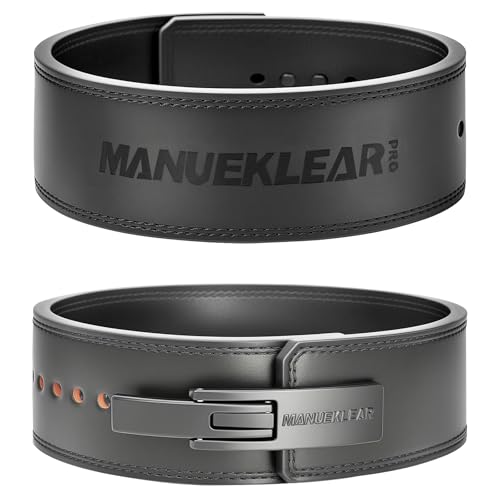
This 10mm thick, 4-inch wide lever belt uses a heavy‑duty lever buckle that locks in one second. It features a thick, non‑slip leather construction for durable support and a secure hold during squats, deadlifts, and other compound lifts. The lever design minimizes time spent adjusting between sets.
Gymreapers Leather Weightlifting Belt

Constructed from real leather, this Gymreapers belt is described as durable and comfortable, with a form‑fitting profile and a lightweight metal buckle. Its leather construction aims to resist wear over time while providing secure back support during lifting sessions.
Buying Guide: Key Purchase Considerations
Choosing a lifting belt as a beginner involves balancing fit, support, and ease of use. Consider the following factors to find the best option for your goals and body type:
- Width and height: A 4-inch belt is common and offers good torso coverage without restricting movement. A 6-inch belt adds more abdominal support but may feel bulkier for some lifters.
- Locking mechanism: Quick‑lock buckles and lever belts save time between sets, while traditional buckles can be reliable and easier to adjust precisely.
- Material and durability: Leather belts tend to be longer‑lasting and rigid, while synthetic belts can be lighter and more flexible. Beginners may prefer a comfortable fit that doesn’t dig in.
- Intended use: For those focused on powerlifting or Olympic lifting, ensure the belt is competition‑approved if you plan to compete. For general strength work, a versatile, durable belt works well.
- Fit guidance: Always measure around the naval or refer to the brand’s sizing chart. Do not rely solely on waist size, as torso circumference varies among lifters.
- Comfort vs. support: A belt should feel secure and reduce torso movement without constricting breathing. Look for a snug but tolerable fit during your typical lifts.
- Maintenance: Leather belts may require conditioning to prevent cracking, while fabric belts should be cleaned according to the manufacturer’s instructions to avoid wear.
Another perspective considers the frequency of lifting, gym rules on equipment, and personal comfort. For beginners, a belt that is easy to put on, quickly adjustable, and provides consistent abdominal pressure is often the best starting point. If you anticipate frequent changes between movements, a quick‑release buckle or lever belt may offer the most practical benefit. For those prioritizing long‑term durability, a genuine leather belt with a robust buckle can be a solid investment.