For players transitioning from beginner to more competitive play, selecting the right intermediate squash racket can improve pace, precision, and consistency. This guide highlights five top options that balance maneuverability, control, and power, along with practical buying considerations. Each pick below is tied to features that help at an intermediate level, such as lighter frames for quick response, stable throats for accuracy, and string patterns that enhance ball contact. Read on to compare specs and find the best match for your playing style.
| Product | Brand | Key Benefit |
|---|---|---|
| HEAD Gi110 Squash Racquet | HEAD | GrapheneTech stability with 110g frame for solid control |
| Head Nano Ti 110 Squash Racket | HEAD | Light, balanced feel with nano titanium for stiffness and control |
| Harrow Meta 115 Squash Racquet | Harrow | Teardrop sweet spot and responsive frame for fast play |
| Tecnifibre Carboflex 125 (S) Squash Racket | Tecnifibre | Balanced weight and Isomorph shaft for consistent performance |
| Dunlop Tristorm Elite Squash Racket | Dunlop Sports | Advanced control with reinforced stability for developing players |
HEAD Gi110 Squash Racquet, 110g

The HEAD Gi110 is a 110-gram frame updated in 2022 with Graphene Technology, designed to deliver stable power and controlled response. The lighter weight supports quick racket handling at the net and improved reaction time on drives. Stringing with Head Synthetic Gut Black offers reliable durability and consistent tension, making it a practical choice for players building up their intermediate game. This racquet emphasizes controllable form without sacrificing reach.
Head Nano Ti 110 Squash Racket
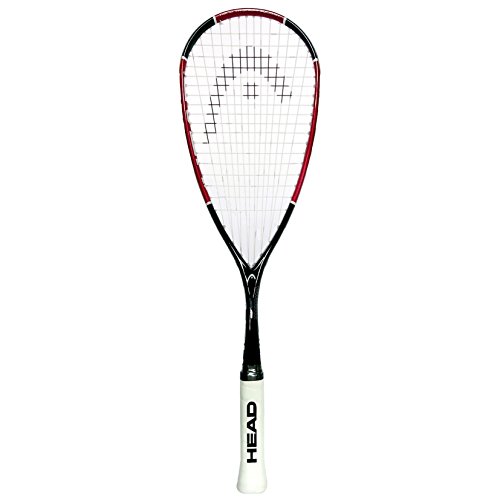
The Head Nano Ti 110 pairs a light, responsive profile with nano titanium components for enhanced stiffness and control. This design helps intermediate players maintain accurate shot placement while still delivering adequate pace. Its straightforward construction makes it a reliable upgrade for players seeking consistent feel across forehand and backhand exchanges.
Harrow Meta 115 Squash Racquet

The Harrow Meta 115 stands out for its lightweight yet highly responsive frame, making it a fan favorite for players who move quickly and require fast reaction times. The teardrop shape extends the sweet spot, increasing forgiveness on off-center hits, which is valuable during long rallies. A relatively stiff frame gives precise feedback and control, helping intermediates translate technique into consistent shot quality.
Tecnifibre CarboFlex (Heritage) 125 Squash Racquet
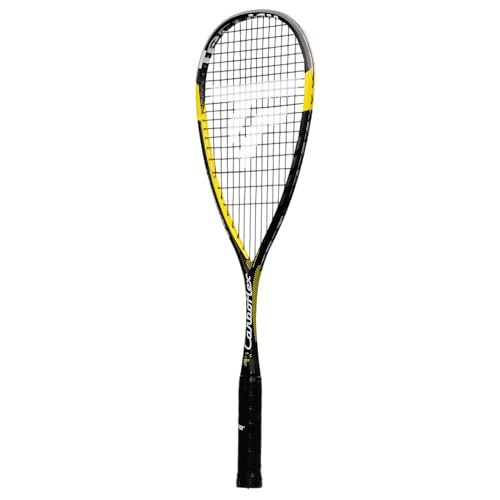
The Tecnifibre CarboFlex 125 (Heritage) balances a 125-gram frame with a 350 mm weight balance, offering a stable but maneuverable feel for intermediates who want a touch more mass for power without losing control. Basaltex Transmitters and the Isomorph Shaft contribute to torsional stability and predictable string bed response, aiding solid timing across all shot types.
Dunlop Tristorm Elite Squash Racket

The Tristorm Elite focuses on the balance of power and control with features that support intermediate players. A frame weight around the 155 g range and even head-light balance promote quick handling, while ACS technology reinforces the throat for improved torsional strength during impact. Durable graphite construction provides dependable performance across rallies, making it a solid upgrade from entry-level racquets.
Dunlop Tristorm Tour Squash Racket
Note: The Tristorm Tour offers a slightly different balance and design focus compared to the Elite model, retaining core stability features with targeted improvements for players who want more control at higher speeds. This makes it a practical option for intermediates who push the pace and need reliable shot execution on aggressive rallies.
Buying Guide: Key Purchase Considerations
Choosing an intermediate squash racket involves weighing weight, balance, stiffness, and frame geometry. Heavier frames can generate power but require more wrist and shoulder strength, while lighter frames improve maneuverability for faster exchanges. A slightly head-light balance tends to enhance control and quick handling, which is beneficial for players building consistency. The sweet spot size and beam width affect forgiveness; a teardrop or slightly elongated head shape often provides a forgiving feel without sacrificing pace.
Other factors to consider include shaft construction and materials. Nano-titanium and graphene-augmented frames aim to improve stiffness and stability, translating to better energy transfer and precision on contact. Traditional graphite and basalt constructions emphasize feel and control, while advanced technologies like Isomorph shafts or carbon fiber compounds can reduce frame twisting on off-center hits. String pattern and tension influence predictability; a mid-range string pattern (such as 16×19 or similar) often offers a good balance between spin, control, and power for intermediate players.
How to choose among the options presented: start with grip feel and weight. If you prefer quick reactions at the net, a lighter frame around 110–115 g with a slightly head-light balance is typically favorable. If you want more solid power on drives, look for a frame near 125–135 g with a balanced or slightly head-heavy feel, but ensure you can maneuver the racquet without strain. For ongoing development, consider models that emphasize stability, torsional control, and a forgiving sweet spot to maintain consistency during longer matches.
Maintenance tips: inspect strings for wear, restring as needed to maintain tension and playability, and keep the grip clean and dry to preserve grip security. Store racquets away from direct sunlight and extreme temperatures to prevent delamination or warping. Finally, try before you buy if possible, or select a model with a flexible return policy to ensure it matches your evolving style.