Backpacking boots demand insoles that offer durable comfort, stable arch support, and reliable cushioning for rugged terrain. The following five products are among the most relevant for hikers seeking long-lasting performance, moisture management, and impact relief on uneven trails. Each option targets common hiking needs like arch support, heel stabilization, and all-day comfort.
| Product | Brand | Key Benefit |
|---|---|---|
| EASYFEET Hiking Boot Insoles | EASYFEET | Ultimate hiking support with EnerBoost energy return and Joint Protect tech |
| Dr. Scholl’s Advanced Pain Relief Insoles | Dr. Scholl’s | All-in-one relief for multiple pain points and enhanced arch support |
| Superfeet Hike Cushion Insoles | Superfeet | Trim-to-fit, durable arch support, Adaptive Comfort Technology |
| riemot Merino Wool Insoles | riemot | Natural thermoregulation and odor resistance with deep heel cup |
| FieldBorn FB-01 Miles Ahead | FieldBorn | Long-day performance with stable arch platform and shock absorption |
EASYFEET Hiking Boot Insoles
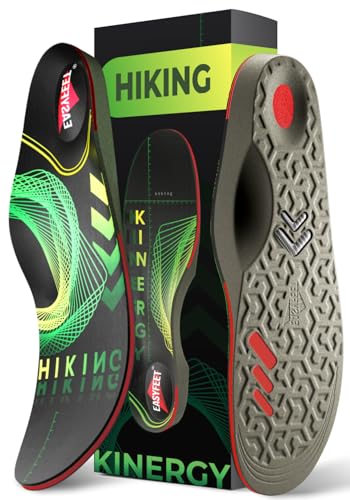
These Kinergy hiking insoles are designed for both men and women, delivering arch support and cushioning suitable for rugged terrains. They are crafted to minimize fatigue and boost stability, making every step on outdoor adventures more secure and comfortable. The product emphasizes advanced cushioning and stability with EnerBoost Tech for better energy return, plus Joint Protect Tech to guard joints during long treks. Ideal for hiking boots and stability shoes, they also offer knee and back support, aligning well with extended backpacking trips.
Dr. Scholl’s Advanced Pain Relief Insoles

Dr. Scholl’s offers an all-in-one solution targeting multiple pain points, including plantar fasciitis, arches, heels, and lower back pain. The heavy-duty design provides strong support with energy return to reduce foot fatigue and protect joints, helping hikers stay active on challenging trails. The advanced arch support aims to relieve plantar fascia strain and support alignment for various arch types, including flat feet and high arches, supporting a custom-fit feel inside hiking boots.
Superfeet Hike Cushion Insoles

Superfeet Hike Cushion Insoles are trim-to-fit and designed for hiking boots, trail shoes, and other outdoor footwear. They offer medium to high arch support in a flexible, cushioned insole with Patent Adaptive Comfort Technology that flexes with the foot for efficient heel-to-toe turnover. The result is improved comfort, stability, and a cushioned ride across varied terrain, from rocky paths to soft dirt trails.
riemot Merino Wool Insoles
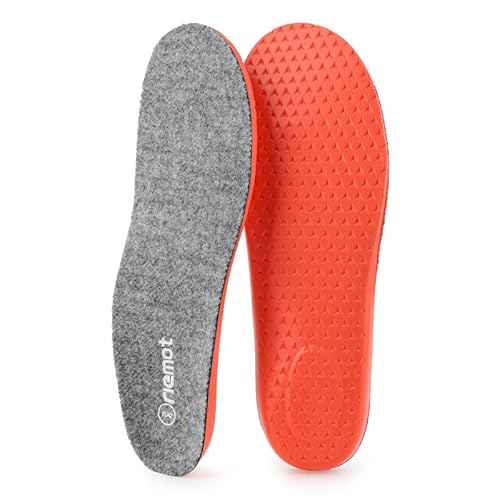
riemot Merino Wool Insoles blend natural thermoregulation with odor resistance. The top layer uses premium merino wool to regulate temperature and wick moisture, keeping feet warm in cold weather and cool in milder conditions. The cloud-like comfort mold-to-foot feel provides cushioning while the mid-arch support and deep heel cup stabilize feet, aiding proper alignment during long walks, hikes, or standing sessions.
FieldBorn FB-01 Miles Ahead Boot Insoles
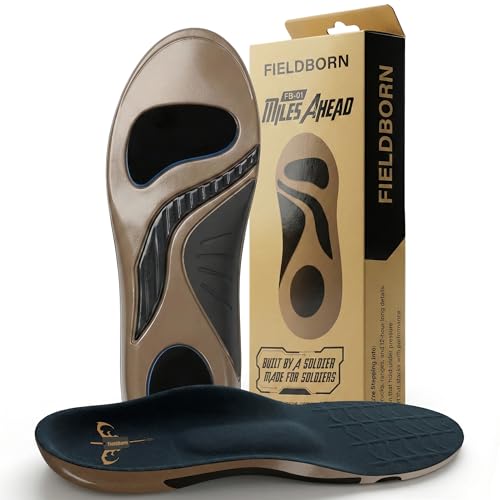
FieldBorn FB-01 Miles Ahead insoles are built for long days of movement, including military and standing-all-day scenarios. They feature a stable arch platform and shock-absorbing heel to reduce fatigue, with a durable, field-ready design that holds shape under weight. Removability and hand-washability facilitate maintenance after muddy ranges or job sites. The combination targets foot pain relief and blister defense for extended rucking and hiking periods.
Buying Guide: Key Purchase Considerations For Backpacking Boots
- Arch support and foot type: Choose insoles tailored to your arch—low, medium, or high—and consider whether you have flat feet or pronation issues. Some insoles offer mid- to high-arch support with deep heel cups for stability on uneven terrain.
- Cushioning and energy return: For long hikes, prioritize materials that provide adequate shock absorption and return energy, helping reduce leg fatigue over miles of trekking.
- Material and temperature management: Merino wool blends regulate temperature and wick moisture in cold or damp climates, while synthetic foams may deliver lighter weight and faster drying in warmer seasons.
- Fit and trim-to-fit capabilities: If you wear hiking boots with tighter interiors, select insoles that can be trimmed to fit precisely. Follow manufacturer guidelines to avoid compromising support.
- Durability and maintenance: Look for insoles designed to maintain their shape under load and be removable for cleaning. Some options are machine-washable or hand-washable for field maintenance.
- Special conditions: If you spend extended periods standing, choose insoles with extra cushioning, heel stabilization, and anti-fatigue layers. For plantar fasciitis or heel pain, prioritize targeted arch support and heel cups.
- Weight considerations: Lighter insoles reduce overall boot weight, but heavier options may offer enhanced support. Balance your priorities with the terrain and duration of hikes.
- All-season versatility: If you hike year-round, select insoles that balance warmth and breathability, with materials that prevent excessive moisture or overheating.
- Maintenance needs: Some insoles require hand washing or air drying. Consider your willingness to clean insoles regularly to extend their life.
- Intended use: Hiking-specific insoles generally offer more aggressive arch support and stability features compared to generic or casual-insole options.