Choosing the right Garmin watch for Ironman training means balancing GPS precision, battery life, and training insights. The following picks cover endurance-ready Garmin models and a few solid non-Garmin alternatives, helping you track pace, recovery, and race-day strategy across triathlon disciplines.
| Product | Brand | Highlights |
|---|---|---|
| Garmin Forerunner 165 | Garmin | GPS pace/distance, recovery insights, long battery life |
| Garmin Instinct E | Garmin | Rugged build, MIL-STD-810, long endurance |
| Garmin Forerunner 55 | Garmin | Daily workouts, PacePro, long battery life |
| Garmin Vívoactive 5 | Garmin | AMOLED display, health metrics, strong battery |
| Timex Ironman Endure 30 | Timex | Key triathlon features, durable, reliable |
Note: Each product includes training-oriented features that help Ironman athletes manage workouts, pace, and recovery. Battery life estimates vary with GPS usage and feature sets. Always verify compatibility with your specific training plans and events.
Garmin Forerunner 165: Fast, Training-Centric Smartwatch

The Forerunner 165 provides built-in GPS to track pace and distance with wrist-based heart rate monitoring. It offers a bright AMOLED screen, a lightweight 43 mm design, and long battery life in smartwatch mode. Training plans adapt to performance and recovery, with Garmin Coach and race-adaptive suggestions for specific events. This model emphasizes running analytics while staying usable across cycling and swimming with standard swim-friendly features in many Garmin ecosystems.
Key features include: GPS-based pace data, wrist heart rate, personalized workouts, and compatibility with training plans. The device emphasizes quick access to performance metrics without a heavy learning curve, making it suitable for triathletes who want clear guidance during brick workouts and race simulations.
Garmin Instinct E: Tough, All-Conditions Outdoor GPS
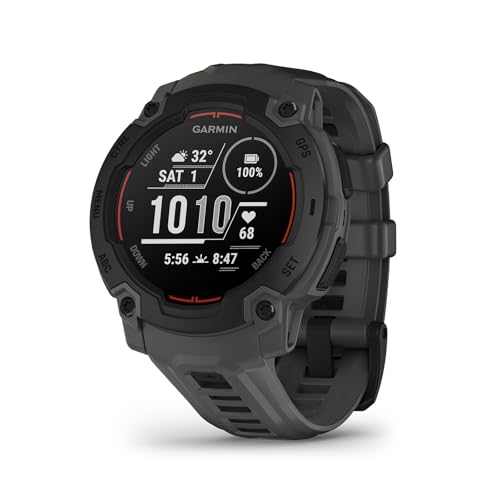
This rugged midsize 45 mm smartwatch blends durability with essential triathlon training metrics. It features MIL-STD-810 certification for thermal and shock resistance, 10 ATM water rating, and up to 16 days of battery life in GPS-off use. Health monitoring includes wrist-based heart rate and advanced sleep tracking, with Pulse Ox where available. It’s built for athletes training in varied conditions, from open-water swims to long bike rides and runs.
Pros include its rugged build, long battery life, and a rich set of outdoors-oriented sensors. Consider it if you value durability and a broad, low-maintenance feature set for multi-sport training in less-than-ideal weather.
Garmin Forerunner 55: Lightweight Training Companion

Designed for runners, the Forerunner 55 offers easy setup, GPS tracking, and daily suggested workouts. Its battery life reaches up to two weeks in smartwatch mode and about 20 hours in GPS mode. PacePro provides GPS-based pace guidance for specific courses. While light, it remains capable for triathlon training by delivering reliable run metrics and actionable coaching, with a focus on simplicity and accessibility.
Why it matters for Ironman training: a balance of essential running analytics, battery efficiency, and coaching features that help you structure brick sessions and tempo runs without overloading the user experience.
Garmin Vívoactive 5: AMOLED Health Focus

The Vívoactive 5 emphasizes a bright AMOLED display and a comprehensive health picture, including Body Battery energy monitoring to help plan workouts around energy levels. It offers up to 11 days of smartwatch battery life and sleep coaching with HRV insights. While not solely a running-focused device, its multi-sport modes and health analytics support Ironman-style training, especially for cross-training days and recovery tracking.
What to consider: a larger emphasis on health metrics and a vivid screen, which is helpful when reviewing training data after long sessions or during recovery planning between events.
Timex Ironman Endure 30: Budget-Friendly Triathlon Data

The Timex Ironman Endure 30 focuses on the essentials for triathlon training: a 100-hour chronograph with 30-lap memory, 24-hour countdown timer, and multiple alarms. It supports dual time zones and a 24-hour military time mode, with a clear display suitable for workouts in bright sun or low light. It’s a practical, budget-friendly option for athletes who want straightforward timing and interval features without extra complexity.
Role in Ironman training: reliable timekeeping, simple interval timing, and a durable case make it a solid entry-level companion for brick sessions and practice days.
Buying Guide: Key Considerations for an Ironman-Worthy Garmin Watch
- GPS Accuracy and Multisport Profiles: Look for watches with precise GPS, support for running, cycling, and swimming profiles, and reliable auto-detect or quick-switch features for triathlon transitions.
- Battery Life in GPS Mode: Ironman workouts demand endurance. Check GPS-on battery life during extended swims, rides, and runs, plus smartwatch mode longevity for daily training.
- Training Analytics: Recovery insights, PacePro, training plans, and Garmin Coach compatibility help structure workouts and predict performance on race day.
- Health Monitoring: Wrist-based heart rate, sleep tracking, and HRV provide perspective on training stress and recovery. Pulse Ox availability varies by region and model.
- Display and Usability: Bright, readable screens (AMOLED or transflective) assist in all lighting. Button controls for quick navigation during workouts can be a plus.
- Durability and Water Resistance: A durable build and water resistance suitable for swimming and open-water sessions matter in Ironman training environments.
- Connectivity and Ecosystem: Seamless syncing with Garmin Connect, online training plans, and compatibility with third-party apps can affect long-term usability.
- Size and Comfort: Ensure the watch fits comfortably during long training days, including transitions and helmet or wetsuit use if applicable.
When comparing models, prioritize your primary discipline and training style. If you race open-water swims, a model with strong water resistance and swim metrics is essential. If brick workouts dominate, a watch with long battery life in GPS mode and robust coaching features will deliver the best ROI. For daily training balance, a brighter display and richer health metrics add value without complicating setup.