Indoor cycling benefits from a stable, natural riding position. Front wheel riser blocks lift the front wheel to align with the rear trainer, reducing strain and improving balance during workouts. The following selections are some of the most popular options, featuring varied heights, materials, and grip designs to suit different bikes and trainers. This guide helps you compare stability, compatibility, and floor protection across five well-regarded models.
| Product | Brand | Riser Height | Best For | Notes |
|---|---|---|---|---|
| Thinvik Bike Front Wheel Riser Block | Thinvik | 1.4 inches | Road bikes and narrow MTBs | Stable, skid-resistant, floor-safe |
| GEEDIAR Bike Front Wheel Riser Block | GEEDIAR | Not specified | Basic stability for indoor workouts | Simple molded plastic stand |
| KOM Cycling Indoor Trainer Front Wheel Riser Block | KOM Cycling | Three heights | Wide trainer compatibility | Tapering valley and webbed grips |
| Flexzion Bike Trainer Front Wheel Block | Flexzion | 1.5 inches | Road and mountain bikes | Rubber padded base; anti-slip |
| TENINYU Front Wheel Riser | TENINYU | 1.5 inches | Indoor training stability | Heavy-duty molded plastic |
Thinvik Bike Front Wheel Riser Block

The Thinvik front wheel riser block provides a 1.4-inch rise designed to fit most road bike tires and some narrower mountain bikes, with a maximum tire width of 1.8 inches. It aims to stabilize the bike during trainer sessions and prevent floor damage thanks to its skid-resistant design. The interior is graduated to accommodate various wheel sizes common on road and some mountain bikes, promoting a level riding position during indoor training.
GEEDIAR Bike Front Wheel Riser Block
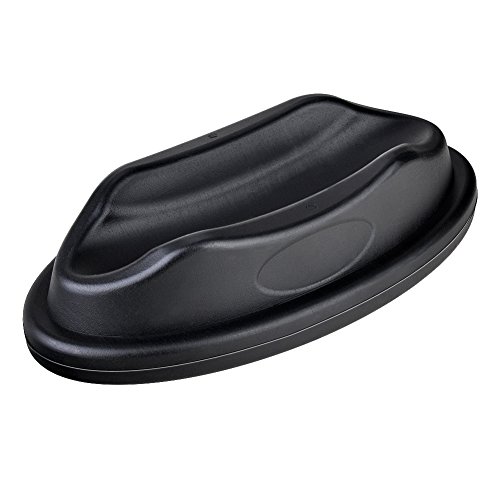
Geediar’s front wheel riser block is a simple molded plastic stand intended to hold the front tire in place while using a stationary trainer. It raises the front just enough to help you stay in a natural pedaling position and avoid sliding off your seat. The design emphasizes straightforward installation and basic stability for standard indoor bicycle workouts.
KOM Cycling Indoor Trainer Front Wheel Riser Block
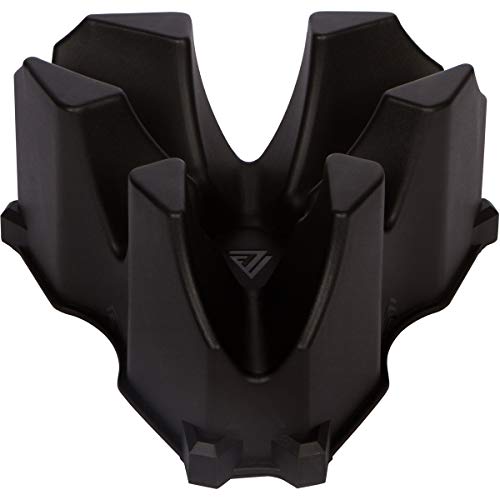
The KOM Cycling riser block features three heights, enabling a tailored fit for different trainers and wheel sizes. Its tapering valley design enhances stability across road tires from 700x23c to wider 29.3 tires. Three webbed grips at the bottom secure the block to the floor, minimizing movement during high-power efforts. This versatility makes it compatible with a broad range of trainers, including Zwift and TacX models.
Flexzion Bike Trainer Front Wheel Block

The Flexzion front wheel block uses sturdy molded plastic to stabilize a variety of road and mountain bikes, supporting tire widths from narrow 20C up to 50C. It provides about 1.5 inches of elevation and includes a rubber-padded base for excellent floor grip and vibration damping, helping to prevent slipping and floor scratching during intense indoor sessions.
TENINYU Front Wheel Riser

TENINYU’s front wheel riser offers a 1.5-inch elevation with a rubber-padded base for extra floor grip and protection. The molded plastic construction emphasizes abrasion resistance and durability for regular indoor biking sessions. It’s designed to keep the front wheel aligned with rear trainers, supporting a natural ride posture during workouts.
Buying Guide: Key Purchase Considerations
- Riser height: Match the rise to your trainer setup and preferred riding position. Common options range from about 1.4 to 1.5 inches.
- Compatibility: Confirm tire width compatibility (most support road tires and narrower mountain tires; check for fat bike or non-standard sizes).
- Stability and floor protection: Look for anti-slip bases and rubber padding to prevent sliding and floor damage during intense efforts.
- Durability: Plastic vs. reinforced materials; consider abrasion resistance for long-term use.
- Trainer compatibility: Some blocks are marketed as universally compatible with a wide range of trainers; others are more specific. Ensure the block works with your trainer model (Zwift, Wahoo, TacX, Cyclops, etc.).
- Grip and vibration: Webbed or textured bottoms help secure the block, while a grippy top surface can reduce tire wear and improve stability.
- Price-to-value: Compare features like height options, grip design, and floor protection to determine overall value for your training needs.
- Portability and storage: If you move your trainer between locations, consider lighter blocks or those with compact footprints.