Torquey ebikes deliver power in proportion to your pedal effort, offering a smoother, more natural riding experience. The following selections highlight models that incorporate torque sensors to adapt motor output as you ride, helping on climbs, through rough terrain, and during daily commutes. Below you’ll find five strong options, each with a torque-sensing system and reliable specs for varied American terrains.
| Product | Brand | Torque Sensor | Key Specs (Approx) | Link |
|---|---|---|---|---|
| ACE01 Electric Bike (Fat Tire, 1500W Peak) | Vivi | Yes (torque sensor) | 25 mph, 48V 15Ah, 90Nm, 26×4.0 fat tires | |
| MileTrail 1 Electric Bike (700W, Torque Sensor) | ENGWE | Yes | 20 mph, 468Wh removable battery, 26″ wheels | |
| A second ACE01 (Fat Tire, 1500W Peak) | Vivi | Yes (torque sensor) | 25 mph, 48V 15Ah, 90Nm, 26×4.0 fat tires | |
| Labrador Pro (Fat Tire, 1350W Peak) | PUCKIPUPPY | Yes (torque sensor) | 28 mph, 26×4″ fat tires, 8-speed, 80Nm | |
| 28″ PUCKIPUPPY (Air-Light, 600W) | PUCKIPUPPY | Yes (torque sensor) | 25 mph, 42 lb frame, 600W peak, 28″ wheels |
Note: The table lists models with torque-sensing features, offering smooth, proportional power delivery for varied riding needs—from daily commuting to off-road adventures.
ACE01 Fat Tire Electric Bike — Vivi

The Vivi ACE01 combines a powerful torque-sensor-assisted ride with a high-capacity battery and fat tires designed for diverse terrains. The bike uses a peak motor up to 1500W to assist climbs and rugged trails while maintaining pedal feedback through the torque sensor, delivering power in direct response to your pedaling effort. A 48V 15Ah removable battery supports ranges around 40–60 miles per charge, with a 4–6 hour recharge window using a rapid charger. Built with hydraulic brakes and SGS certifications, this model aims to balance performance and safety in varied American environments.
MileTrail 1 Electric Bike — ENGWE

This ENGWE MileTrail 1 focuses on a balance of range, assist responsiveness, and safety. The 700W motor delivers solid acceleration up to 20 mph, paired with a 468Wh removable battery that supports roughly 30–40 miles in pure electric mode and 50–62 miles with pedal assist. The smart torque sensor adjusts assistance in real-time based on pedal input, complementing a 7-speed gear system for adaptable performance on city streets or light off-road paths. Hydraulic disc brakes provide reliable stopping power, and 26-inch tires offer sturdy traction across terrains.
ACE01 Fat Tire Electric Bike — Vivi (Another Listing)

This listing presents the same Vivi ACE01 platform with the same torque-sensing system, emphasizing an acceleration profile that respects rider input. The battery and charging options mirror the standard ACE01 configuration, promoting a natural ride feel with proportional assistance. Potential buyers should compare the listing specifics, including motor output and weight, to ensure alignment with their riding goals and local terrain.
Labrador Pro — PUCKIPUPPY Fat Tire E-Bike
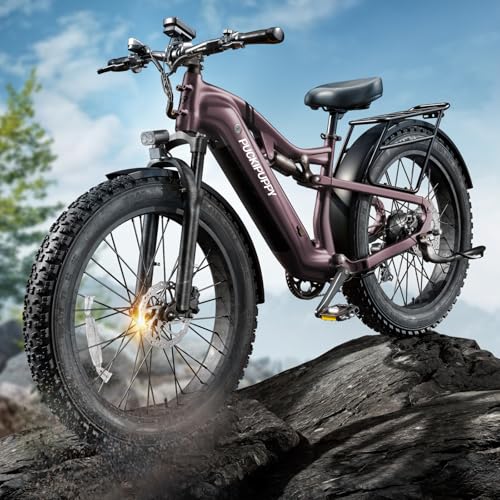
The Labrador Pro from PUCKIPUPPY emphasizes rugged capability with an 85Nm torque and a 28 mph top speed. The bike includes a 26×4″ fat tire setup with an exclusive lateral suspension system designed for comfort on challenging terrain. A torque sensor ensures pedal-boosted power responds to your input, helping climb steep grades and maintain control at speed. The 8-speed gearing adds versatility for varied trails and urban streets alike, while the overall build emphasizes stability and traction.
PUCKIPUPPY 28″ Air-Light E-Bike

This PUCKIPUPPY model emphasizes a lighter frame and integrated torque sensor for intuitive pedal assistance. With a 600W peak motor delivering up to 25 mph and a compact 42 lb frame, it aims to blend urban mobility with efficient off-road capability. The 360Wh battery supports moderate-range riding and quick recharging, ideal for daily commutes and weekend excursions. The bike balances a streamlined design with dependable torque-responsive performance for riders seeking nimble handling without sacrificing power.
Buying Guide: Torque-Sensor Ebikes
- Torque Sensor vs Cadence Sensor: Torque sensors measure pedal force and adjust motor output proportionally, delivering smoother, more intuitive assistance, especially on climbs. Cadence sensors respond to wheel rotation alone, which can feel abrupt.
- Motor Power and Range: Look for a motor with sufficient peak power for your terrain and a battery capacity that supports your typical rides. Removable batteries offer flexibility for charging in different locations.
- Wheel Size and Tire Type: 26″ tires excel on rugged trails, while 28″ or 29″ wheels favor speed and smoothness on pavement. Fat tires improve traction on loose surfaces but add weight and rolling resistance.
- Braking System: Hydraulic disc brakes provide stronger, more controllable stopping power in varied weather and terrain—essential for higher-speed e-bikes with torque assist.
- Weight and Build: Heavier bikes with robust frames handle torque better and provide stability on rough terrain. Consider overall weight for transport and storage in your living space or vehicle.
- Maintenance and Support: Check warranty terms, available spare parts, and local service options. Torque-sensor systems may require periodic calibration; ensure you have access to qualified technicians.
- Regulatory Considerations: Be aware of local speed limits and bike classifications for motor-assisted cycles. Some regions regulate motor power, top speed, and rider age.
These considerations help buyers compare models with torque-based assist, aligning features with intended uses—daily commuting, trail riding, or mixed-use adventures.