Whether you’re navigating whitewater, gliding across a calm lake, or paddling through a misty morning, a reliable dry bag is essential for keeping cameras, phones, spare clothes, and snacks dry. This guide rounds up top dry bags that excel in canoeing environments, balancing waterproof protection with durability and portability. Each pick is designed for quick access on the water, with comfortable carrying options and rugged construction. Explore five standout options and learn what to look for when choosing your next dry bag.
| Product | Capacity | Notable Feature |
|---|---|---|
| HEETA Dry Bag (5L) | 5L | Transparent design with roll-top seal |
| OMGear Dry Bag (5L) | 5L | Floating with dual EVA back straps |
| HEETA Duffel Dry Bag (60L) | 60L | Extra-large capacity for multi-day trips |
| Earth Pak Dry Bag (10L) | 10L | Top-rated with included IPX8 phone case |
| Zero Grid Dry Bag (10L) | 10L | High-pressure welded seams for extreme conditions |
Choosing the right dry bag hinges on capacity, durability, and how you’ll use it on the water. The bags below cover a range of canoeing scenarios, from short day trips to longer excursions requiring gear and clothing protection. Each section includes a quick overview and practical usage notes to help you pick confidently.
HEETA 5L Transparent Dry Bag
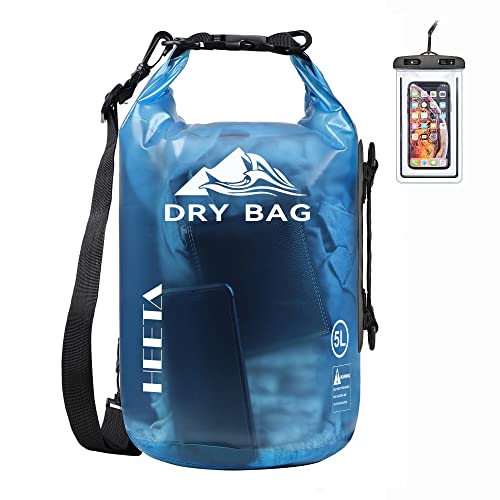
HEETA’s 5-liter dry bag emphasizes minimalism for day trips where you want quick access to essentials without bulk. The waterproof design uses seamless construction to protect valuables during boating, kayaking, or paddleboarding. While submersion tolerance is practical for splash protection, avoid extended underwater exposure. The 0.6 mm bottom and 0.3 mm side thickness offer durability against abrasions on rocky shores. A roll-top closure paired with adjustable shoulder straps provides versatile carry—hand-carry or backpack style—making it suitable for lightweight adventures or as a secondary dry bag for electronics.
OMGear 5L Floating Dry Bag With Phone Pouch
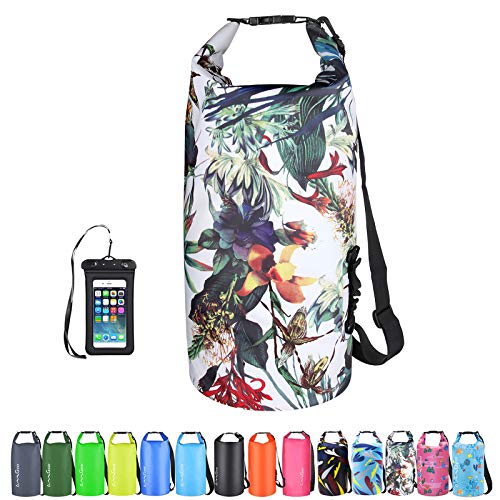
OMGear’s 5L dry bag combines rugged materials with floating capability, a key safety feature for canoeists who want gear stay-put even if dropped in the water. Built with rugged 500D PVC tarpaulin, it offers a strong waterproof seal and a dedicated, reinforced entry for a dependable waterproof pouch. Two EVA back straps ensure comfort on longer carries and can accommodate a range of body sizes. The bag’s compact size makes it ideal for paddlers who need to keep essential items dry while leaving space for other gear.
HEETA 60L Duffel Dry Bag For Extended Trips

This extra-large 60-liter option from HEETA is designed for multi-day canoe expeditions or when you need to protect a large volume of gear from rain, spray, and river spray. The bag uses durable 500D PVC with reinforced stress points to resist rips and tears. A side mesh pocket aids water drainage for damp items, while the roll-top closure keeps contents dry. Note the bag is not designed for submersion; it excels in rain protection and dry storage at a campsite or dock. It’s suitable for clothing, sleeping bags, and other bulky items needing secure, water-resistant storage.
Earth Pak 10L Dry Bag With IPX8 Phone Case

Earth Pak’s classic 10-liter dry bag is highly regarded for a balance of protection and value. The top-rated design features a five-year warranty and a modular shoulder strap system across sizes. Included is an IPX8-certified waterproof phone case compatible with devices up to 6.5 inches, providing double protection for essential electronics. The bag’s roll-top closure is straightforward and reliable, while the included strap system supports comfortable transport on trails or by the water. This option suits paddlers who want a proven, durable carrier with an excellent accessory package.
Zero Grid 10L Dry Bag For Hiking And Paddling

Zero Grid emphasizes rugged construction and extreme-condition readiness with high-pressure welded seams designed for durability. The 10-liter capacity keeps essentials dry during intense canoeing sessions on windy, spray-filled days. The bag uses 500D PVC material that resists tears, punctures, and abrasions, while a user-friendly roll-down closure and quick-release buckles simplify packing and access. Comfortable carrying features, long-lasting straps, and a thoughtful base design help maintain balance and reduce fatigue during long trips. It’s a strong all-around option for weather-heavy conditions and versatile outdoor use.
Buying Guide: Key Considerations For Selecting The Right Dry Bag
Capacity matters: choose a size that fits your typical trips without overburdening you. For day trips, 5–10 liters is often enough for a phone, wallet, microfleece, and snacks; for multi-day outings, 20–60 liters provide more room for clothing and sleeping gear.
Material and closure: look for heavy-duty PVC (often 500D) with welded or reinforced seams. Roll-top closures provide reliable waterproof protection and are easy to seal in the field. Buckles should be robust and corrosion-resistant for salt or chlorinated water use.
Floatability and straps: floating bags reduce the risk of losing gear if dropped. EVA back straps and cross-chest supports improve comfort during long carries and rough water. Some models include internal pockets or external pouches for quick access items.
Phone and electronics protection: if you carry devices, consider an included waterproof pouch (IPX8 rating is a strong signal) or a compatible smartphone case. Placing electronics inside the main dry bag once sealed adds extra protection against splash and submersion.
Durability under outdoor conditions: water, sand, sun, and abrasion are all common on canoe trips. Look for reinforced stress points, double stitching, and a base design that resists dirt and wear. Bags with side drainage pockets can help keep damp items separate.
Versatility and compatibility: some dry bags double as duffels or backpacks, offering multiple carry options. If you need to switch between hauling gear and hiking, a bag with adjustable straps and a comfortable harness can save energy.
Value and warranty: consider bags with warranties or reputations for long-term durability. While price isn’t the only indicator of quality, established brands with positive reviews typically offer better return policies and customer support.
Use-case alignment: lighter, floating bags suit calm water and day trips, while larger, rugged bags excel in rough water or multi-day expeditions. Decide whether your priority is maximum protection, easy access, or a balance of both.
Maintenance: rinse salt residue and wipe dry after use to extend the bag’s life. Avoid prolonged submersion and store empty to prevent mold and odors.
In summary, the right dry bag for canoeing blends capacity, durability, and ease of use. Consider your typical trip length, water conditions, and how you’ll carry gear when making a selection. The five options above provide solid starting points for protecting clothing, electronics, and essentials on the water.