Clay courts demand balls that maintain visibility, consistent bounce, and durability despite the abrasive surface. This guide benchmarks top clay-specific options, from pro-grade tournament balls to everyday practice balls, helping players choose the right feel, performance, and value. Below are five carefully selected products with notes on their clay-friendly features and playability on different court types. Use the Buying Guide to compare attributes like durability, bounce stability, and compression for clay surfaces.
| Product | Brand | Key Benefit on Clay |
|---|---|---|
| WILSON Roland Garros Clay Court Tennis Ball Case | WILSON | ITF-approved, Roland-Garros official ball, moisture and dirt resistance |
| Penn Championship Tennis Balls – Regular Duty | Penn | Consistent nap and feel; versatile for clay and other surfaces |
| Wilson Roland Garros Clay Court Tennis Ball – 3 Cans | Generic | Tournament-style clay ball with approved standards |
| DUNLOP ATP Super Premium Regular Duty Tennis Balls | DUNLOP | Best for clay and indoor surfaces, durable felt |
| Penn Championship Extra Duty Felt Pressurized Tennis Balls | Penn | Long-lasting felt for hard and clay courts; reliable bounce |
Note: All prices are subject to change and may vary by retailer. The selections emphasize clay-optimized performance, durability, and consistent playability across different skill levels.
WILSON Roland Garros Clay Court Tennis Ball Case

The Wilson Roland Garros Clay Court Ball Case is ITF-approved for competitive play and serves as the official ball of Roland-Garros from 2020. Its core uses 100% natural rubber to maximize consistency and resiliency on clay surfaces, while the felt is designed to limit moisture and dirt pickup for better visibility and longer play. These attributes help maintain predictable bounce and control during long rallies on clay courts.
Ideal for tournament prep and regular clay practice, this case provides reliable performance with consistent nap and grip. Players who value standardization and a ball that holds up under repeated clay hits will benefit from the Roland Garros line. The case format also offers convenient storage and transport for club play and travel.
Penn Championship Tennis Balls Regular Duty

Penn Championship Regular Duty tennis balls are America’s #1 selling ball, backed by a century of testing. They feature controlled fiber release for a perfectly even nap and provide a consistent feel via natural rubber. While described as regular duty, they are suitable for clay courts, offering balanced performance with reliable bounce and durability across indoor and outdoor surfaces. They are a solid choice for clubs and casual players who want dependable playability without paying premium tournament prices.
The ball’s versatility makes it a staple for varied court types, including clay, and it suits regular practice, drills, and friendly matches. Penn emphasizes durability and a predictable bounce, ensuring a steady performance even during extended sessions on clay.
Wilson Roland Garros Clay Court Tennis Ball – 3 Cans

This Wilson clay-specific ball is designed for high-level clay play, aligning with the Roland Garros standards. It offers steady bounce, good durability, and visibility on clay courts thanks to its well-engineered felt. The 3-can pack makes it a convenient option for regular clay practice or group play at clubs and academies.
Players will notice its balance of touch and control, making it suitable for serves, groundstrokes, and drop-shots on clay. The ball’s overall construction supports longer rallies and consistent performance across multiple training sessions.
DUNLOP ATP Super Premium Regular Duty

The Dunlop ATP Super Premium Regular Duty balls are a strong option for clay and indoor courts, combining durable felt with reliable performance. Aimed at serious players and clubs, these balls are built to withstand the abrasion of clay surfaces while maintaining a stable bounce and visibility. They are a versatile choice for practice sessions, drills, and friendly matches on clay.
Designed to balance playability and durability, these balls suit players who need consistent performance over extended rally sessions. The regular duty construction provides a dependable feel across diverse court types, including clay, where pace and control are essential.
Penn Championship Extra Duty Felt Pressurized
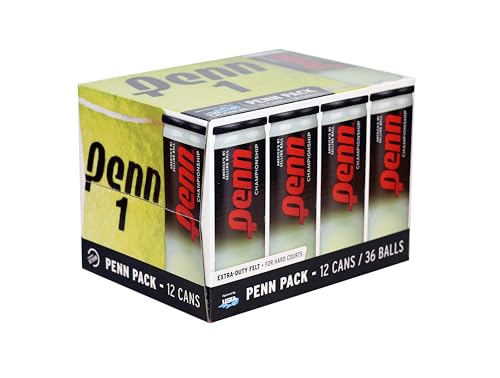
Penn Championship Extra Duty Felt Pressurized balls feature long-lasting felt designed for hard courts, yet they perform reliably on clay as well due to added durability. The pressurized design delivers a lively bounce and steady playability, making them a practical choice for frequent play, training, and long rallies on clay. This option is especially appealing to players seeking extended ball life without sacrificing performance on clay surfaces.
As with other Penn products, you can expect consistency and a predictable feel across many sessions. The extra-duty construction helps resist wear on abrasive surfaces and supports stable performance during multi-day practice blocks.
Buying Guide: Key Considerations For Clay Court Balls
- Clay-specific design: Look for balls marketed as clay-court or with clay-suitable felt that resists moisture and reduces dirt pickup for better visibility.
- Durability vs. playability: Balance longer ball life (durable felt and rubber) with the need for predictable bounce on clay. Some balls skew toward practice durability; others target tournament feel.
- Felt quality: Denser felt reduces mud accumulation and helps maintain bounce consistency, which is particularly important on clay surfaces where dust can affect performance.
- Core composition: Natural rubber cores tend to provide consistent resiliency. Some models combine synthetic components for extended play on abrasive surfaces.
- Approved standards: ITF or tournament approvals indicate compliance with competition rules, which can be a factor for players training for events or seeking uniform performance with officials’ expectations.
- Pack and value: Consider pack size, case or can counts, and whether you practice regularly with multiple players. Higher counts often reduce per-ball cost and improve value for clubs.
- Bounce consistency across sessions: For clay, bounce can change as the ball absorbs moisture. Seek balls that maintain reliable bounce across practice blocks and match play.
- Surface compatibility: While many regular-duty balls work on clay, dedicated clay balls tend to perform better for playability and control on this surface.
The selections above cover a range of use cases—from tournament-grade clay balls to durable practice options. When choosing, align the ball with your skill level, playing frequency, and whether you play more drills or matches on clay.