When preparing for emergencies or outdoor adventures, a dependable bug out tent is essential. This guide highlights five highly relevant options designed to keep you warm, dry, and sheltered in a variety of conditions. Each product below includes key features, practical use cases, and quick setup guidance to help you choose the right option for your bag.
| Product | Brand | Notes |
|---|---|---|
| Don’t Die In The Woods – Survival Tent | Don’t Die In The Woods | Ultralight, compact, two-person capacity |
| Emergency 2-Person Survival Tent | Generic | Orange & Gray, storm-ready shelter |
| Survival Gear Shelter for Bug Out Bag | Primal Survival Gear | Pocket-sized, doors for protection |
| Emergency Survival Tent 2 Person | Generic | Two-person design with doors |
| Cymuber Emergency Sleeping Bag | Cymuber | Mylar bivvy-style shelter |
Don’t Die In The Woods Survival Tent
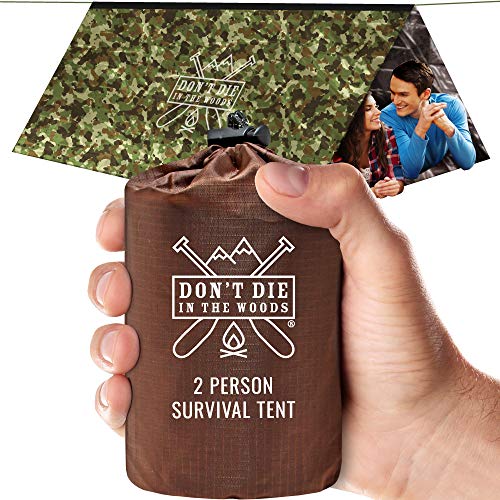
The Don’t Die In The Woods Survival Tent uses NASA-designed Mylar to deliver year-round protection. It reflects up to 90% of body heat, helping to maintain warmth in cold weather and reflect heat in hot conditions. Weighing about 8.5 ounces, it’s ultralight and compact enough for quick stowage in a bug-out bag. The design emphasizes durability with 425-pound paracord and reinforced tape seams. Setup is straightforward: thread the paracord through the tent and tie it between two trees, then anchor the corners with rocks or gear. The 8×5 foot tube can also double as an emergency bivy or sleeping bag if trees aren’t available. Features emphasize reuse and reliability for outdoor adventures.
Key considerations:
– Pros: Lightweight, reusable, strong seam design, quick setup, versatile as a bivy.
– Cons: May require trees or anchor points for setup; space is compact for larger users.
– Best use: Solo or couples’ shelter for unpredictable weather or rapid shelter needs in forests or open terrain.
Emergency 2-Person Survival Tent with Whistle

This orange-and-gray two-person tent emphasizes wind and water resistance and comes with practical storm-ready features. The design is simple to erect between trees, and the shelter aims to provide protection against the elements in emergency scenarios. It’s built to be reusable and durable, with attention to quick deployment in crisis settings. The included paracord-like support and weather-resilient material contribute to reliable performance during sudden weather shifts. It also doubles as a compact sleeping solution when trees are scarce.
Key considerations:
– Pros: Visible color for signaling, straightforward setup, reusable, weather-resistant.
– Cons: Might require anchor points for peak stability; space is best for two smaller individuals or gear-only use.
– Best use: Storms, tornado safety, and quick bug-out shelter in mixed terrain.
Survival Gear Shelter for Bug Out Bag

The Primal Survival Gear shelter emphasizes a patent-pending enclosed design with tall, easy-open doors to adapt to weather and access needs. The shelter is made from tear-resistant PET Mylar, aiming for durability and repeated use in different environments. Weighing about 14.3 ounces when packed, it remains compact for bug-out bags and survival kits, while still providing enough height to sit or lie inside comfortably. The design prioritizes quick setup, making it suitable for rapid shelter deployment during evacuations or outdoor emergencies.
Key considerations:
– Pros: Enclosed doors for better protection, compact and lightweight, reusable.
– Cons: Limited interior width may require compact sleeping arrangements for two.
– Best use: Evacuation events, urban-to-rural transitions, and scenarios needing a quick, protective shell.
Emergency Survival Tent 2 Person with Doors

This two-person Generic shelter focuses on doors and storm-ready construction. It’s designed for quick erection between trees or anchor points, with emphasis on wind- and water-resistance to safeguard occupants during severe weather. The product’s simplicity supports fast deployment in a bug-out scenario, complementing other survival gear within a kit. While it prioritizes shelter integrity, it remains flexible for use as a nighttime bivy or temporary shelter during power outages or field operations.
Key considerations:
– Pros: Easy setup, protective doors, adaptable to various terrains, reusable.
– Cons: Interior room may be tight for two adults with bulky gear.
– Best use: Immediate shelter in natural disasters, field work, or temporary home-base setups during evacuations.
Cymuber Emergency Sleeping Bag (Bivy)

The Cymuber emergency sleeping bag offers a portable, waterproof, Mylar-based bivy solution designed for warmth and protection. Its compact, one-handed use profile makes it suitable for adding warmth to any kit, especially when paired with a larger shelter. The Mylar material provides windproof and water-resistant performance, helping to retain body heat in blizzard or storm conditions. This bivy is ideal as an emergency backup layer or a supplemental shelter option for bug-out bags and car kits alike.
Key considerations:
– Pros: Ultra-compact, lightweight, efficient heat retention, versatile as a standalone bivy or backup layer.
– Cons: Not a full shelter; requires other shelter components for full coverage.
– Best use: Warmth and protection during sudden exposure, layering with tents or ground pads in cold environments.
Buying Guide: Key Purchase Considerations for Bug Out Tents
Choosing the right bug out tent involves balancing weight, size, setup speed, and weather protection. Consider the following perspectives to find a shelter that fits your needs:
- Intended use: If you expect frequent tree anchoring, shelters designed to be set between trees with paracord support are advantageous. If you anticipate no anchor points, consider a standalone bivy or a compact shelter with bulkier but more stable structure.
- Weight and packability: For hikers and preppers, lighter solutions offer easier transport. Pocket-sized shelters are practical for bug-out bags, but ensure interior space aligns with your sleeping arrangement and gear.
- Weather protection: Look for wind- and water-resistance ratings, reflective materials for heat retention or reflection, and reinforced seams. The ability to handle both cold and hot conditions extends shelter usefulness year-round.
- Durability and reuse: Tear-resistant materials and reinforced seams improve longevity in rugged environments. Reusability lowers long-term replacement costs and ensures dependable performance when it matters.
- Set-up simplicity: Quick deployment between trees or on flat ground is essential during emergencies. Tents with clear setup steps or pre-attached components reduce time-to-shelter.
- Versatility: A shelter that doubles as a sleeping bag or bivy can provide added flexibility when you’re short on space or need redundancy in your kit.
- Space and comfort: Two-person shelters offer more room for gear or a second person, but interior measurements matter. If you’re taller or have bulky clothing, verify the usable interior length and width.
- Signaling and visibility: Bright colors can aid in locating shelter quickly in low visibility conditions, supporting rescue efforts in remote areas.
In sum, the best bug out tent choice depends on your environment, anticipated use, and your overall survival gear strategy. For tree-based setups, the product designs that emphasize ease of attachment and durable fabric will deliver the most consistent performance. For ground-based or bivy-friendly needs, compact Mylar-based shelters and sleeping bag solutions provide critical warmth and protection with minimal bulk. Consider pairing a sturdy shelter with a reliable emergency sleeping bag as a layered approach to resilience.