Outdoor enthusiasts and wildlife observers need binoculars that deliver brightness, clarity, and reliable performance across conditions. This guide highlights five top options well suited for birding, safari trips, cruises, and general wildlife viewing in the American landscape. Each pick balances magnification, field of view, build quality, and portability to help you choose the right pair for your adventures.
| Product | Magnification / Objective | Best For |
|---|---|---|
| Adorrgon 12×42 | 12×42 | Birding at mid-range distances, low light |
| Nexiview 15×52 | 15×52 | Detail-rich distant viewing, twilight conditions |
| Nikon Trailblazer 10×25 | 10×25 | All-terrain portability, everyday wildlife viewing |
| Aurosports 10×25 | 10×25 | Family-friendly, travel and birding |
| BEBANG 10×42 | 10×42 | Wide field of view, versatile outdoor use |
Below are five binoculars selected for wildlife viewing, with concise specs and practical notes to help you compare at a glance.
Adorrgon 12×42 HD Binoculars
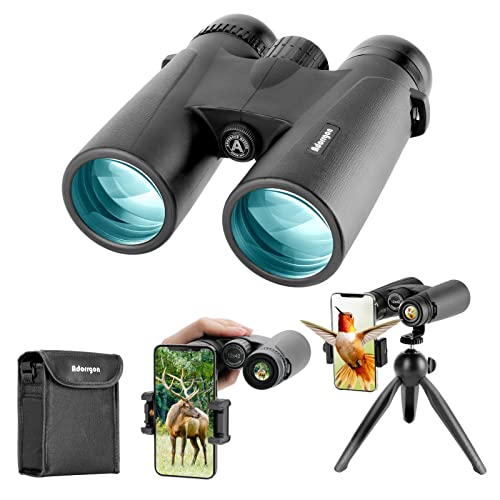
Adorrgon’s 12×42 model delivers a large field of view (367 ft/1000 yds) and a lightweight build at about 1.1 pounds. This pair emphasizes brightness with fully multi-coated optics and a large 16.5 mm BAK4 prism, improving visibility in dim conditions such as dawn or dusk. The 18.5 mm eyepiece enhances image size and perceived sharpness, helping observers spot facial features and plumage at moderate distances. Suitable for bird watching, wildlife spotting, and events held in low light, these binoculars also come with a phone adapter and tripod compatibility for hands-free viewing and recording. While higher magnification can narrow the field of view, the 12×42 balance makes it a versatile all-rounder for hiking and cruises.
Nexiview 15×52 HD Binoculars

Nexiview focuses on brightness and detail with premium, high-transmission glass and anti-reflective coatings. The 15x magnification brings distant wildlife into clearer view, while the 26 mm eyepieces contribute to a comfortable viewing experience. The model emphasizes brightness even in dim light and offers a robust build designed for travel, hunting, cruises, and hiking. An updated phone adapter enables easy recording of wildlife moments. Observers gain detailed observations of birds, mammals, and distant landscapes, though higher magnification reduces depth of field and increases shake sensitivity.
Nikon Trailblazer 10×25 Binoculars

Nikon’s Trailblazer 10×25 is designed for portability with a compact, foldable roof prism, making it ideal for hikers and travelers who still want solid optical performance. These binoculars provide bright, color-accurate images using fully multicoated lenses and reliable waterproof/fogproof protection through nitrogen fill and O-ring sealing. The lightweight profile and compact form factor suit day trips, birding walks, and quick shoreline sightings where space and weight matter.
Aurosports 10×25 Binoculars
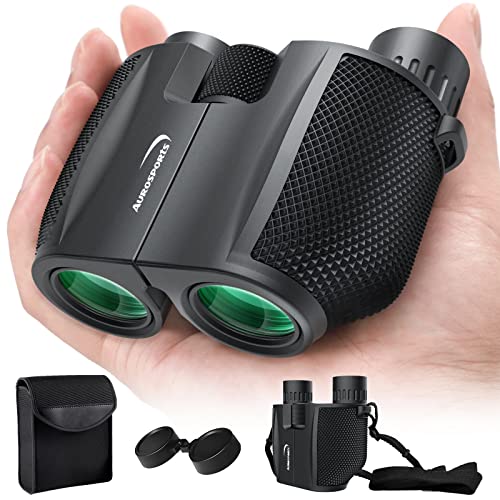
Aurosports offers a compact 10×25 binocular suitable for both adults and kids. The Bak-4 prisms and multi-coated lenses aim to deliver bright, vivid images with good light transmission for family outings, travel, and quick wildlife glimpses. The 0.5 lb weight and small footprint enhance portability, making them accessible for beginners, travelers, and younger observers who want to explore nature without bulky gear.
BEBANG 10×42 Binoculars

BEBANG’s 10×42 binoculars emphasize a wide field of view with a long eye relief, making them suitable for extended observation sessions. BaK-4 prisms and multi-coated optics focus on crisp, bright images with reliable edge-to-edge detail. A 10×42 setup is versatile for daytime wildlife viewing, birding along trails, and coastal observations, providing a balance of brightness and magnification that appeals to hikers and casual observers alike.
Buying Guide: Key Purchase Considerations
When choosing binoculars for wildlife viewing, consider the following perspectives to help align features with your needs:
- Magnification vs. Field of View: Higher magnification (e.g., 15x) reveals distant details but narrows the field of view and magnifies hand shake. Lower magnification (e.g., 8x–10x) yields a wider field of view and steadier views, making it easier to track moving animals.
- Objective Lens Diameter: Larger lenses (e.g., 42 mm) capture more light, improving brightness at dawn or dusk, but add weight. Smaller lenses (e.g., 25–32 mm) are lighter and more portable.
- Optical Coatings and Prism Type: Fully multi-coated lenses and BaK-4 prisms enhance brightness and color fidelity. Roof prisms tend to be compact and rugged, while porro prisms can offer a wider image at similar price points.
- Weather sealing and Fog/Water Resistance: Nitrogen-filled and O-ring sealed binoculars resist fogging and moisture, valuable in humid or rainy environments, or near coastal areas.
- Weight and Ergonomics: For extended use, lighter models reduce fatigue. Look for comfortable eye relief, especially if you wear glasses, and a sturdy grip.
- Accessories: A smartphone adapter helps with recording, while a tripod or stabilizing device reduces shake for higher magnification choices.
- Intended Use: For travel and casual wildlife viewing, balance portability with adequate brightness. For birding and distant wildlife, consider higher magnification with a wider objective lens and image stability features.
- Maintenance: Regular cleaning with a soft cloth and lens caps protects coatings. Avoid harsh solvents that can degrade coatings.
These considerations help you compare options across form factors, ensuring you pick binoculars that fit your typical viewing environments, from coastal cruises to forest trails. The five models above address a range of priorities—from the compact and portable to the bright and feature-rich—so you can find a reliable partner for wildlife viewing in the United States.