Choosing the right ski bindings is essential for safety, control, and comfort on the slopes. This guide highlights five top-rated bindings, spanning all-mountain and freeride styles, so you can match your skiing level and boot compatibility. Each option features reliable toe and heel mechanisms, solidDIN ranges, and notable durability. Below, you’ll find concise product summaries, performance notes, and a practical buying guide to help you compare options side by side.
| Product | Brand | Key Benefit | Link |
|---|---|---|---|
| Marker Griffon 13 ID Ski Bindings 2020 | Marker | Versatile, lighter for lighter riders | Marker Griffon 13 ID Ski Bindings 2020 |
| Tyrolia Attack LYT 11 GW (85mm) | TYROLIA | Strong DIN range, lightweight | Tyrolia Attack LYT 11 GW 85mm |
| Tyrolia Attack LYT 11 GW (95mm) | TYROLIA | Same trusted tech with wider brake | Tyrolia Attack LYT 11 GW 95mm |
| Marker Squire 11 B90 | Marker | Hollow Linkage Heel, easy entry | Marker Squire 11 B90 |
| Look Pivot 14 GW Forza 3.0 | LOOK | 180-degree release, race-ready | Look Pivot 14 GW Forza 3.0 |
Marker Griffon 13 ID Ski Bindings 2020

The Griffon 13 ID represents Marker’s lighter, versatile platform designed for advanced to expert skiers. It borrows the Jester’s capabilities in a lighter package, appealing to riders who demand precise edge grip and solid power transfer. The Triple Pivot Elite toe and Inter Pivot 3 freeride heel contribute to predictable release and robust performance, while reduced weight helps with maneuverability on challenging terrain. This binding is well-suited for all-mountain and freeride setups where responsiveness matters most.
Tyrolia Attack LYT 11 GW Ski Bindings (Solid Black, 85mm)

The Attack LYT 11 GW delivers a reliable DIN range and a robust FR Pro toe paired with a strong SX heel. This combination provides solid downhill performance with predictable release, making it a strong choice for riders who balance park, piste, and light backcountry. Its lightweight build supports quick handling and energy efficiency without compromising safety or edge control.
Tyrolia Attack LYT 11 GW Ski Bindings (Solid White, 95mm)

This variant mirrors the 85mm model but offers a broader brake suitable for wider skis. The DIN range, FR Pro toe, and SX heel provide consistent performance across diverse conditions. Wider brakes improve compatibility with modern wide skis, enhancing stability and balance on soft snow and variable terrain while preserving precise release characteristics.
Marker Squire 11 B90 Black/Teal Ski Bindings 2025
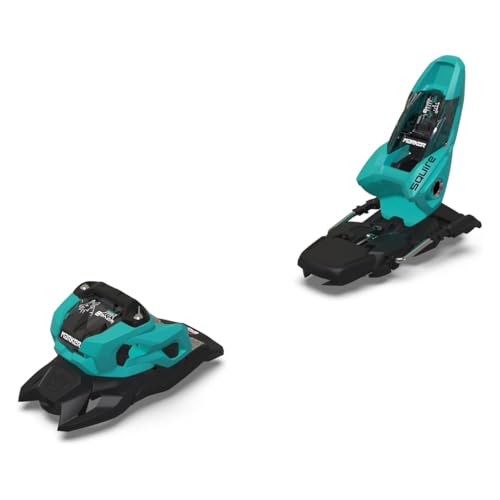
The Squire 11 B90 brings Marker’s Hollow Linkage Heel design to a lighter, more approachable platform. It emphasizes easier step-in and smoother entry, supported by a sturdy anti-ice rail for clearing ice and snow. GripWalk boot compatibility adds to its versatility, making this binding a solid choice for skiers who value straightforward performance and reliability in all-season touring and resort environments.
Look Pivot 14 GW Forza 3.0 95mm
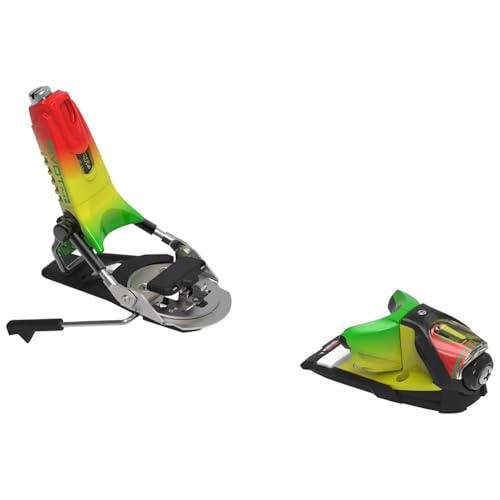
The Pivot 14 GW stands out for its aluminum race toe, 180-degree multi-directional release, and turntable heel. This combination offers precise release behavior, excellent rigidity, and a confident feel on aggressive turns and high-speed descents. It’s a popular choice for skiers seeking a high-performance binding with predictable biomechanics and a direct power transfer to the ski.
Buying Guide
- Intended terrain and skiing style: Choose bindings that match whether you mainly ride groomed runs, off-piste, or touring terrain. Freeride and all-mountain bindings typically prioritize stability and durability, while touring bindings emphasize lightweight construction and efficiency.
- DIN range: Ensure the binding’s DIN range covers your weight, height, boot sole length, and skiing style. A wider range allows safe release under a variety of forces, reducing the risk of pre-release or injury.
- Brake width: Match the brake width to your ski waist. Wider brakes are needed for fat skis; narrower brakes are fine for standard widths. If you own multiple pairs, consider adjustable or swappable brakes.
- Toe and heel design: Look for reliable toe pieces (such as FR Pro or Triple Pivot Elite) and robust heel mechanisms (Inter Pivot, Hollow Linkage, or turntable types) that deliver consistent release and edge control.
- Boot compatibility: Confirm compatibility with your boot sole type (ISO 5355) and any GripWalk or touring boot options. Some bindings support multiple boot standards, expanding versatility.
- Weight and ease of use: Lighter bindings are easier to maneuver in the air and on varied terrain, but must still offer solid downhill performance. Step-in ease and entry feel are important for day-long comfort.
- Durability and serviceability: Consider bindings with replaceable parts, easy maintenance, and reputable manufacturer support. Freeride and touring bindings may face more exposure to snow and ice, so reliability matters.
- Price-to-performance balance: Compare features such as toe/heel tech, release safety, and weight against your budget. A mid-range binding often delivers strong all-around performance for most skiers.
- Sizing and mounting: Proper brake width, boot sole length, and mounting position influence performance. Have a professional mount bindings for optimal alignment and safety.
- Long-term suitability: If you anticipate growth or changes in boots or skis, choose bindings with flexible compatibility or easier upgrades.
In summary, the Marker Griffon 13 ID and Marker Squire 11 B90 offer versatile performance for a broad range of skiers, while Tyrolia’s Attack LYT 11 GW variants provide dependable safety and control across differing brake widths. Look Pivot 14 GW Forza 3.0 adds a top-tier release mechanism for highly engaged athletes. When selecting bindings, prioritize terrain, boot compatibility, brake width, and a DIN range that aligns with your weight and skill level to ensure optimal safety and performance on the mountain.