Touring cyclists rely on reliable bike computers to map routes, monitor performance, and stay on course for days on the road. The right device blends navigation, durability, battery life, and clear screens that are readable in sun, rain, or shadows. Below is a curated selection of five highly capable touring-focused bike computers, with features tailored to long rides, mixed terrains, and remote routes. The table summarizes the essentials for quick comparisons before diving into each product’s details.
| Product | Brand | Key Benefit |
|---|---|---|
| Garmin Edge Explore | Garmin | Preloaded maps, turn-by-turn navigation, rugged touchscreen |
| COOSPO CS600 | CooSpo | Color touchscreen, GPS tracking, route navigation |
| iGPSPORT BSC200S | iGPSPORT | Route navigation, smart notifications, waterproof |
| iGPSPORT BSC300T | iGPSPORT | Offline maps, multiple satellite support, touch and buttons |
| CATEYE Urban Wireless | CATEYE | Analog speedometer with easy setup and odometer options |
Garmin Edge Explore – Touchscreen Touring Bike Computer
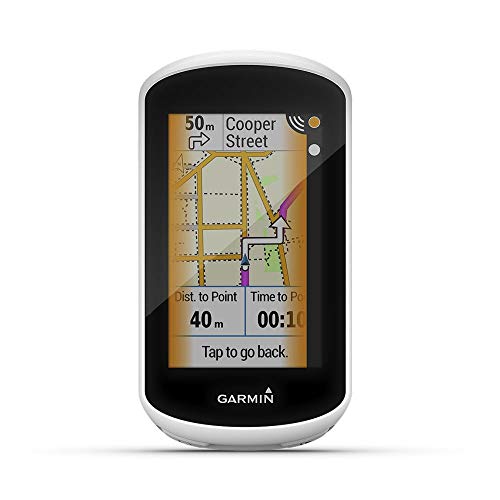
The Garmin Edge Explore offers a high-resolution 3-inch touchscreen that remains usable in gloves and wet conditions, with visibility even in direct sunlight. It includes preloaded Garmin cycle maps with turn-by-turn navigation and trendline routing, helping cyclists discover currently popular on- and off-road routes. Built-in GPS tracks key ride metrics such as distance, speed, elevation, and ride location, making it suitable for longer tours where reliable navigation is essential. This model emphasizes an intuitive interface and connected features to stay informed while traveling between destinations.
Key considerations for touring: clear, glove-friendly input; reliable maps and routing; comprehensive ride data and location history; weather- and sun-friendly display performance. Garmin Edge Explore balances these aspects with rugged design and familiar Garmin ecosystem compatibility, which can simplify data sharing and device pairing on longer trips.
COOSPO CS600 – Color Touchscreen GPS Bike Computer

The CS600 features a 2.4-inch color touchscreen with auto-backlight that adapts to ambient light for clear visibility in any condition. It provides precise GPS tracking with GLONASS support to reliably capture speed, distance, time, and route data, enabling in-depth post-ride analysis. Built-in route navigation helps you upload routes or follow breadcrumb trails, ensuring you stay oriented on unfamiliar roads. The device is designed for easy navigation and a straightforward data view, which is particularly helpful when navigating mixed terrains during tours.
Key considerations for touring: screen readability in varying light, robust GPS tracking, and user-friendly navigation. The CS600 emphasizes a bright display and dependable route guidance, making it a practical choice for long days in the saddle and exploring new routes without getting lost.
iGPSPORT BSC200S – Wireless GPS Bike Computer

The BSC200S offers route navigation with easy mobile app integration and supports third-party route imports from apps such as Strava and Komoot. It provides one-touch navigation to start rides quickly and supports back-to-start navigation for reliable return planning. Smart notifications keep you informed about calls, messages, and app alerts, which can reduce the need to pull out a phone on long tours. The IPX7 waterproof rating enhances durability in diverse weather, making it suitable for extended trips and varied climates.
Key considerations for touring: external app compatibility, quick route setup, and weather resistance. The BSC200S focuses on practical navigation workflows and ride-tracking clarity, helping touring cyclists stay on course with minimal distractions.
iGPSPORT BSC300T – Touchscreen Off-Course Navigation
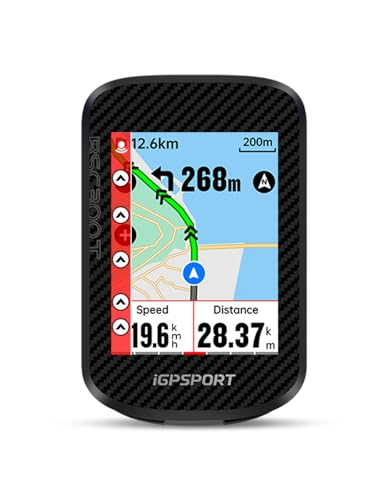
The BSC300T combines a 2.4-inch touchscreen with a multi-button layout, offering both touch and physical control for navigation. It supports road, mountain, and electric bikes, with the ability to display power levels where supported. Global satellite coverage (GPS, Beidou, GLONASS, GALILEO, QZSS) ensures reliable positioning in remote touring routes. This model is designed for cyclists who want a flexible device that works across different bike types and terrains while providing robust navigation features on long trips.
Key considerations for touring: screen usability, multi-system satellite support, and cross-bike compatibility. The BSC300T’s mix of touch and physical controls can suit riders who frequently switch between terrain types during tours and need dependable positioning in challenging environments.
CATEYE Urban Wireless Bike Computer

The CATEYE Urban Wireless stands out as a straightforward option for riders who want essential stats with quick setup. It displays current, max, and average speed, total distance, trip distance, elapsed time, calorie tracking, pace, and a clock. The option to manually set the odometer helps preserve mileage continuity when changing batteries, making it practical for long tours. The FlexTight Bracket ensures secure mounting and easy adjustment, enabling riders to focus more on the road and less on gear setup.
Key considerations for touring: essential stats with reliable odometer options and quick mounting. The Urban Wireless is a dependable choice for riders who prioritize simplicity, reliability, and a compact form factor on long rides.
Buying Guide: Key Purchase Considerations For Touring
- Navigation and maps: Choose devices with preloaded maps, route navigation, and the ability to import or create routes. For long tours, reliable offline maps and breadcrumb options can prevent detours.
- Display and readability: A glove-friendly touchscreen or button-based navigation with clear data readouts improves safety and convenience in variable lighting and weather. Auto-backlight and sunlight readability are important features.
- Battery life: Long tours demand extended battery life or the ability to swap power sources. Consider devices with extended endurance modes or battery-saving options for multi-day trips.
- Durability and weather resistance: Waterproof or water-resistant ratings (IPX7 or higher) and rugged builds help devices withstand rain, dust, and road debris on touring routes.
- Data and analytics: Speed, distance, elevation, and ride history are core metrics. Look for devices with GPS accuracy, reliable elevation data, and compatibility with third-party apps for advanced analysis.
- Connectivity: Smart notifications, Bluetooth/ANT+ support, and app ecosystems can improve route planning and allow seamless data sharing between devices and phones.
- Mounting and compatibility: Ensure the mount type fits your handlebars and that the device is compatible with your bike’s sensors (speed, cadence, power) if you rely on integrated data.
- Multi-bike readiness: If you ride different bikes (road, gravel, touring), consider devices that support multiple bike modes and shared data across devices.
Across these picks, the Garmin Edge Explore emphasizes robust navigation and a direct touring workflow, while the COOSPO CS600 and iGPSPORT models focus on screen visibility, GPS reliability, and flexible navigation options. The CATEYE and iGPSPORT entries provide straightforward, durable choices for riders who want dependable stats with easy mounting, especially on extended trips where simplicity matters. When weighing options, consider where you ride most often, how you navigate unfamiliar roads, and how long you’ll depend on one device without access to charging.