Finding the right weightlifting belt can improve core stability, protect the lower back, and help you lift heavier with proper form. This guide highlights top belts that balance secure support, durability, and competition compatibility. Each product below is chosen for American lifters seeking performance, comfort, and value across powerlifting, Olympic lifting, and functional fitness. The summary table at the top provides quick comparisons so you can decide which belt best fits your training goals.
| Product | Brand | Key Benefit |
|---|---|---|
| Self-Locking Weight Lifting Belt (Medium) | Element 26 | Self-locking buckle for reliable security |
| Dip Belt With Chain (37″-42″ Total) | MAXRANK | Heavy-duty chain and high load capacity |
| Genuine Leather Weight Lifting Belt (Men) | Jaffick | Full leather durability with proper sizing guidance |
| Gymreapers Leather Weightlifting Belt | Gymreapers | Real leather and comfortable fit |
| Dark Iron Fitness Weight Lifting Belt | Dark Iron Fitness | Adjustable 4″ belt with secure buckle |
Element 26 Self-Locking Weightlifting Belt (Medium)

This belt uses Self-Locking technology to maintain secure closure during Olympic lifts and heavy sets. The buckle releases via a simple roller, yet is designed to resist accidental opening even under maximal loads. The belt adopts a uniform 4-inch profile to create consistent intra-abdominal pressure, aiding stability during lifts. It is competition-approved for Olympic lifting and functional fitness events, reducing the need for multiple belts. The design emphasizes even distribution rather than back support, aligning with performance-focused lifting philosophy.
Element 26 Self-Locking Weightlifting Belt (Large)
The Large version shares the same self-locking mechanism and four-inch profile as the medium. It is designed to fit larger waist measurements while maintaining the same secure closure and competition readiness. The belt’s uniform width fosters consistent intra-abdominal pressure across lifts, from squats to Olympic movements. Athletes seeking durability with a trusted product across multiple competition formats may prefer the Large size for comfort and stability during longer training sessions.
Element 26 Self-Locking Weightlifting Belt (26″ – 30″)
This variant targets lifters with an navel-level fit range, offering same self-locking security and 4-inch width. It ensures consistent abdominal pressure and reduces wrist and back strain during heavy squats, deadlifts, and cleans. The competition-approved design supports training across sessions and meets most standard meet requirements. The belt’s durable build makes it suitable for frequent use in cross-training and functional fitness events as well.
Genuine Leather Weight Lifting Belt (Brown)

The Jaffick belt uses genuine leather with a wide, reinforced structure to support the lower back and abdomen during demanding lifts. It includes guidance on true waist measurement to select the correct size, helping reduce the risk of over-tightening. The belt’s double-sided leather provides a durable, sturdy feel, while suede-padded contact points help minimize discomfort during extended sessions. It’s designed for cross training, daily fitness routines, and heavy lifting alike.
Gymreapers Leather Weightlifting Belt

Gymreapers’ belt emphasizes lifetime durability with real leather and robust stitching. The included premium buckle and multiple adjustment holds provide a secure, comfortable fit. Weighing approximately 1.5 pounds, it remains surprisingly lightweight for its width, reducing bulk while preserving support. The form-fitting design helps lifters maximize core engagement without restricting movement, making it a versatile choice for squats, deadlifts, and Olympic lifts.
Dark Iron Fitness Weight Lifting Belt
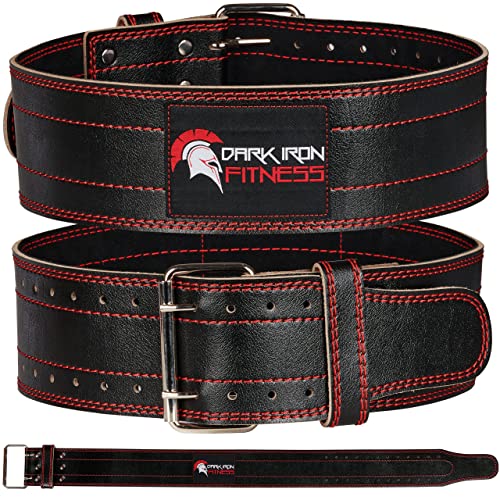
This belt features a fully adjustable 4-inch width with a double-pronged buckle and a belt keeper to keep the tongue out of the way during lifts. It’s designed for a wide range of lifters, from powerlifting to cross training, and supports heavy lifting with a secure fit. The belt’s durability and adjustability aim to maintain consistent compression across sets, aiding form and spine protection in demanding sessions.
Buying Guide: Key Purchase Considerations
Choosing the right weightlifting belt depends on training style, body size, and competition needs. Consider these perspectives:
- Width and profile: A 4-inch belt is common for powerlifting and Olympic lifting, offering broad abdominal support without restricting hip movement. A narrower belt may suit lighter athletes or those prioritizing mobility in athletic movements.
- Closure system: Self-locking buckles provide quick, secure closure with minimal risk of accidental release. Traditional prong buckles offer adjustability but may loosen under extreme loads if not fitted properly.
- Material and durability: Leather belts tend to be durable and supportive, with a longer-lasting finish. Synthetic belts can be lighter and more flexible but may wear sooner under heavy use.
- Competition compatibility: If you compete, verify that the belt is approved for your federation or event to avoid disqualifications.
- Fit guidance: Correct sizing is crucial. Some brands advise measuring true waist size rather than pant size, and users should consider the position of the belt relative to the belly button for comfort and effectiveness.
- Comfort and padding: Padding and edge design affect long sessions. Suede or padded inner surfaces reduce chafing during workouts with extended wear.
- Maintenance: Clean leather belts periodically and condition them to preserve leather integrity. Inspect stitching and buckles for wear before heavy lifting sessions.
Performance Perspectives
For serious lifters, a belt is a performance tool rather than mere equipment. A properly fitted belt can enhance intra-abdominal pressure, stabilize the spine, and help lifters maintain braced form through challenging movements. Athletes should balance belt tightness with mobility and comfort to avoid restricting hip hinge or breathing. Those focusing on cross-training may prefer belts with durable chains or additional features, like the dip belt option from MAXRANK, for weighted workouts beyond standard lifting.
Durability and Value
High-quality leather belts typically offer longer lifespans and reliable support, while belts with advanced locking mechanisms provide greater security during maximal efforts. When evaluating value, consider the belt’s build quality, replacement parts (buckle or stitching), and the warranty or return options from the seller. A belt that lasts through hundreds of sessions can justify a higher upfront cost, especially for competitive lifters or heavy powerlifters.