Back foam rollers help relieve tight muscles, ease discomfort, and boost flexibility through targeted self-massage. This guide highlights five well-regarded options designed to target the back and surrounding musculature, with a focus on density, texture, and comfort. Each pick aligns with common recovery needs—deep tissue massaging, trigger point release, and long-lasting durability—so you can choose the right roller for your routine and space.
Choosing at a glance
- TRIGGERPOINT Grid 1.0: Multi-density, three-dimensional surface for deep tissue work and mobility.
- Amazon Basics 18″ High Density: Firm, compact option for balance and flexibility workouts.
- 321 Strong Orange: Medium density with patented projections for deep tissue release.
- Gaiam Restore 12”: Light texture, ideal for smaller muscles and circulation.
- 321 Strong Aqua: Similar medium density with a different color variant for variety.
TriggerPoint Grid 1.0 Foam Roller

The TriggerPoint Grid 1.0 uses a multi-density GRID surface with a three-dimensional layout designed to mimic a therapist’s hands. Its distinct ridges and nodules promote tissue aeration and blood flow, helping accelerate muscle recovery after workouts or repetitive strain on the back. The foam’s proprietary Distrodensity Zones provide comfort across tight back muscles and surrounding soft tissue, allowing users to customize rolling pressure. For back-focused work, the GRID pattern allows you to target the upper, mid, and lower back by shifting weight and adjusting angles.
Users will appreciate the balance between firmness and give, which supports longer sessions without excessive soreness. The device aims to relieve soreness and stiffness in the back while aiding circulation. As a result, it can be a practical addition to a post-workout routine or a mobility practice. Those who work seated or perform overhead movements may find this roller especially effective for releasing knots near the spine and shoulder blades.
Key considerations: a dedicated back-focused roller can be slightly firmer than softer options, so slow, controlled movements are advised. When using the GRID surface, avoid rolling directly on the spine; instead, position it along the muscles on either side of the spine for safe, effective relief. The Grid 1.0 is compact and travel-friendly, making it a solid option for gym bags or home studios.
Amazon Basics High Density Foam Roller – 18 Inches
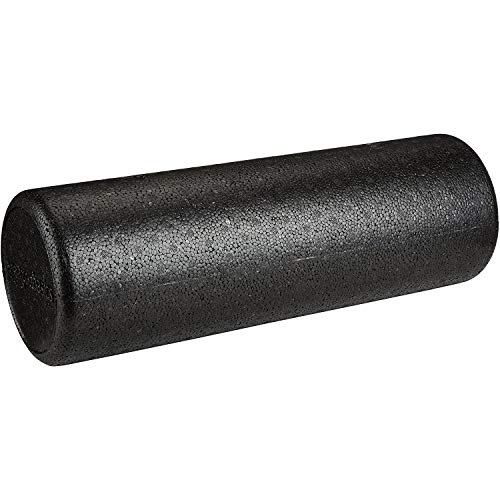
This 18-inch Amazon Basics foam roller emphasizes a high-density core with a durable outer foam layer. Its compact size makes it a convenient pick for users who want a straightforward back massage without the bulk of longer rollers. The firm build supports balance and stability during rolling, helping to isolate back muscles during mobility sequences and gentle deep-tissue work. Its molded edges add comfort during repetitive passes along the spine and lats, reducing the risk of friction or skin irritation.
For back care, this roller offers dependable structure and a consistent rolling feel. Its rigidity can be advantageous for triggering deeper tissue release in the mid-back and the areas around the shoulder blades, particularly for users with a lean or athletic build who require more targeted pressure. However, beginners should approach with lighter pressure to acclimate to the density and avoid discomfort.
Considerations: shorter length can limit coverage for very broad backs, so users with larger frames may prefer longer options. The simple design prioritizes durability and ease of use, making it a solid starter roller for back-focused routines or everyday stretches.
321 Strong Foam Roller – Orange (Medium Density)

The 321 Strong Orange roller features a patented projection system that digs into soft tissue and fascia. Its medium density provides a balance between comfort and deep pressure, making it suitable for back massage and trigger point work along the spine and surrounding musculature. The pattern mimics the touch of a physical therapist, providing graduated relief across the back’s various muscle groups. The core is lightweight yet sturdy, wrapped in BPA-free closed-cell EVA foam for a premium feel and lasting durability.
Users can expect targeted relief for adhesions and knots, particularly in the upper and mid-back regions. It’s well-suited for post-workout recovery, as the projections help flush lactic acid and promote circulation. While effective for back muscle groups, it remains gentle enough for those new to self-massage who want to avoid overly aggressive pressure. The 4K eBook included can provide guided routines, adding value for beginners and seasoned rollers alike.
Purchase considerations include ensuring the density matches personal tolerance and comfort. For back work, evenly distributed pressure helps prevent localized soreness. The Orange variant’s color makes it easy to identify among other equipment and can appeal to users who enjoy visual variety in their recovery tools.
Gaiam Restore Compact Textured Foam Roller – 12”

The Gaiam Restore Compact Foam Roller takes a lighter texture approach, focusing on gentle circulation and muscle soothing. At 12 inches, it’s a compact option suitable for isolating smaller back muscles and surrounding areas, such as the rhomboids, lats, and scapular stabilizers. The lighter texture stimulates blood flow without applying intense pressure, making it appealing for users who want daily maintenance or rehab-friendly rolling sessions.
Compact design supports portability and targeted sessions without occupying much space. It’s a viable choice for beginners, physical therapy patients, or anyone wanting a low-intensity option for easing tension along the back and neck. The material is designed to hold its shape with daily use, contributing to reliable, consistent performance over time.
Buying tips: consider pairing this roller with lighter stretches and mobility drills to maximize back relaxation. Its gentle texture suits users who are sensitive to pressure, or who need a non-intimidating starting point for self-myofascial release.
321 Strong Foam Roller – Aqua (Medium Density)

The Aqua variant offers the same medium-density technology as the orange model, with a color-coded option to distinguish different rolling experiences. Its patented projections extend into soft tissue and fascia, aiding deep tissue massage and myofascial release along the back. The combination of a solid core and BPA-free EVA foam yields a durable, comfortable tool that supports back care, post-workout recovery, and prehab routines.
Back-focused sessions can benefit from the balanced grid-like projection layout, enabling users to attack knots near the spine from multiple angles. The Aqua version is well-suited for users seeking a consistent medium pressure that can be layered with dynamic movements, stretches, and mobility drills. It’s a practical choice for those who want a reliable, mid-range density roller with color options for easy identification.
Buying Guide: Key Back Foam Roller Considerations
- Density and firmness: Choose higher density for deeper pressure and longer-lasting shape, or softer options for beginners and sensitive backs. Medium density is a common middle ground for back work.
- Texture and surface pattern: Projections and ridges can target knots more effectively; a smoother surface is gentler on tender areas. For the back, consider a roller that allows both broad coverage and targeted pressure.
- Roller length: Longer rollers cover larger areas like the middle back more easily, while shorter models are more portable and easier to control for beginners.
- Material and durability: Look for closed-cell EVA or similar materials that resist moisture and clean easily. BPA-free foam is a plus for safety and longevity.
- Portability: If you travel or work out away from home, a compact roller or a roller with a carry option can be beneficial.
- Care and maintenance: Regular cleaning helps maintain texture and prevent odor. Avoid harsh cleaners that may degrade foam.
- Injury awareness: If you have a history of back injury or nerve issues, consult a healthcare professional before using a foam roller, and start with light pressure.
- Instruction and support: Some rollers come with instructional guides or digital resources (like eBooks) to help structure routines and maximize benefits.
In choosing a back foam roller, consider how you intend to use it—daily recovery, post-workout relief, or rehab-specific routines—and your comfort with pressure. If possible, test different densities and textures to identify which best targets your back muscles and knots.