Backpacking demands gear that’s reliable, lightweight, and versatile. A good axe can handle firewood prep, shelter building, and trail clearing without weighing you down. Here are five standout backpacking axes that balance durability, weight, and practicality for American hikers and campers. The selections prioritize steel quality, grip comfort, and packability to improve campsite efficiency and safety on remote trips.
| Product | Brand | Key Strength | Image |
|---|---|---|---|
| Estwing Sportsman’s Axe – 14″ | Estwing | One-piece forged steel; leather grip |  |
| Gerber Pack Hatchet – 3.5″ Blade | Gerber | Full tang; compact and lightweight | 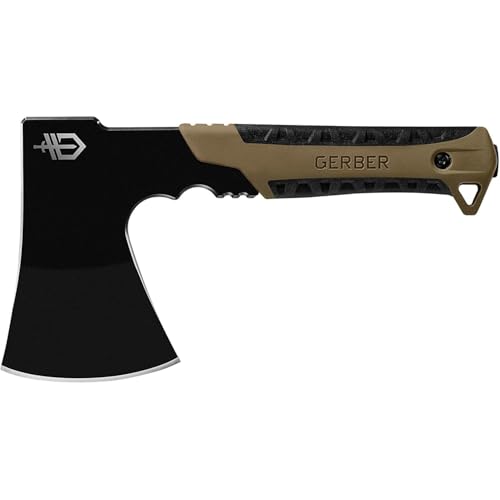 |
| Mossy Oak 12″ Camping Axe | Mossy Oak | Integrated hex wrench slots; anti-slip handle |  |
| 1844 Helko Rheinland Pack Axe | 1844 Helko Werk Germany | German carbon steel; hickory handle |  |
| Fiskars X15 Splitting Axe | Fiskars | PermaHead over-molded; efficient splitting |  |
Note: The table highlights general strengths to help you compare core traits at a glance. Individual user needs may vary by terrain, season, and camping style.
Estwing Sportsman’s Axe — 14-Inch
Estwing’s Sportsman’s Axe combines rugged American craftsmanship with a genuine leather grip for comfort during extended use. This 14-inch hatchet is forged from a single piece of American steel, minimizing weak points and maximizing durability. It excels in outdoor versatility, from chopping limbs and branches to splitting firewood and even serving as a tent stake puller. The one-piece construction supports demanding use in rugged conditions, making it a reliable choice for campers and professionals alike.
Gerber Pack Hatchet — 3.5″ Blade
The Gerber Pack Hatchet emphasizes compact design without sacrificing functionality. A 3.5-inch corrosion-resistant blade with full tang construction and an ergonomic rubber grip offers reliable performance for camp tasks, including limb trimming, firewood prep, and trail maintenance. Its lightweight profile and a mountable nylon sheath enhance transport convenience, making it an excellent option for hikers who need a capable tool without bulk.
Mossy Oak 12″ Camping Axe
Designed for rugged outdoor use, this Mossy Oak axe measures 12 inches with a 6-inch blade width and a 3/16-inch thickness. The black-coated blade is durable and wear-resistant, ideal for camping, survival, or hiking tasks such as chopping branches or preparing firewood. A multifunction hatchet includes hex wrench slots and a secondary edge, providing on-the-go versatility for gear adjustments or emergency repairs. The textured anti-slip handle ensures a secure grip in wet or cold conditions.
1844 Helko Rheinland Pack Axe
Made in Germany, the Rheinland Pack Axe uses C50 high-carbon steel (53–56 HRC) and a Grade A American hickory handle finished with boiled linseed oil. Drop-forged by hand, this lightweight, compact tool is designed for reliable kindling, limb removal, shelter-building, and light splitting. The handle’s grain orientation is carefully selected for comfort and control, making it a preferred choice for backpackers seeking traditional craftsmanship with modern performance.
Fiskars X15 Splitting Axe
The Fiskars X15 is a versatile, mid-sized splitting axe designed for efficient wood cutting and kindling preparation. Its PermaHead over-molded design ensures the blade remains integral to the handle, reducing the risk of head separation. The balance and power-to-weight ratio enhance swing speed, delivering reliable performance for many camp tasks, from firewood prep to light structural work around the campsite. It’s a practical choice for hikers who need a sturdy, easy-to-carry axe with dependable power.
Buying Guide
- Weight and balance: Prioritize a weight range that you can comfortably manage on long hikes. A well-balanced tool reduces fatigue during extended use.
- Head materials and forging: One-piece forged steel or high-quality carbon steel offers durability and longevity; drop forging or full tang construction increases reliability in rugged conditions.
- Handle material and grip: Wood, fiberglass, and steel-wrap handles differ in grip, warmth, and weather tolerance. Look for non-slip textures and comfortable contours for extended use.
- Size and portability: For backpacking, smaller axes (8–14 inches) usually fit better in packs, while still providing adequate chopping power for kindling and light wood tasks.
- Sheath and carry options: A sturdy sheath or quick-access belt clip enhances transport safety and accessibility at the campsite.
- Multifunction features: Some models include hex wrench slots, serrated edges, or integrated saws, which add versatility for bushcraft and field repairs.
- Maintenance needs: Consider ease of sharpening and rust resistance. Stainless or coated blades can resist corrosion in damp environments.
- Intended environment: Humid, forested areas may require more robust weather resistance; arid conditions may benefit from lighter, nimble designs for quick tasks.
Across these options, users should evaluate personal comfort, expected tasks, and pack weight to determine the optimal backpacking axe. The selections above cover a range of capabilities—from compact, carry-friendly designs to more robust, traditional models—enabling informed choices for diverse outdoor journeys.