Finding a reliable three-person tent for backpacking means balancing weight, space, weather resistance, and setup ease. The following selections represent well-rounded options for hikers who want comfort without sacrificing packability. Each tent is designed to maximize interior space, withstand variable conditions, and simplify pitching after a long day on the trail.
| Product | Brand | Key Feature |
|---|---|---|
| Marmot Crane Creek 3P Tent | Marmot | Lightweight, spacious interior with strong weatherproofing |
| Kelty Discovery Trail Backpacking Tent | Kelty | Two-pole setup with Quick Corners for fast pitching |
| Naturehike Cloud-Up 3 Person Tent | Naturehike | Free-standing, quick setup, good weather resistance |
| Naturehike Cloud-Up 3 Person (Doule Layer) | Naturehike | Double-layer design, robust waterproofing |
| Sierra Designs Full Moon 3P | Sierra Designs | Two-door, two-vestibule layout with easy setup |
Marmot Crane Creek 3P Tent

The Marmot Crane Creek 3P Tent combines a spacious interior with a lightweight build suitable for backpacking trips. It offers around 41.5 square feet of usable space, supporting three occupants while keeping overall weight manageable for day-rucks. The fly and floor use seam-taped polyester to weather out rain while maintaining airflow for comfort in varying conditions. A strong, durable 7000-series aluminum pole system provides stability without excessive bulk, making it a practical option for mountain camps or fall camping missions where wind is a factor.
In terms of setup and durability, the Crane Creek emphasizes a straightforward pitch process aided by thoughtful design. The weatherproof features help keep moisture out without compromising ventilation, a common trade-off in tents that prioritize rain protection. The tent’s construction aims to tolerate repeated use on multi-day trips, aligning with the expectations of hikers who value reliability as much as weight savings.
Kelty Discovery Trail Backpacking Tent
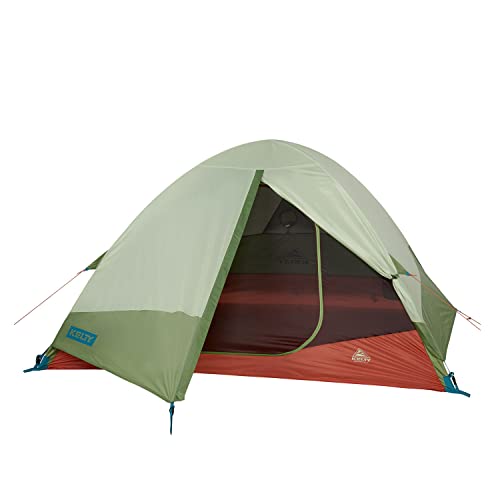
The Kelty Discovery Trail line is designed for simplicity and low weight. It features a two-pole setup that minimizes bulk while delivering reliable shelter. Quick Corners help anchor the tent quickly, reducing the time spent fumbling with guylines. Pre-attached guylines, a compact stuff sack, and a streamlined fly design support a fast and efficient setup, especially in changing weather. The tent’s waterproof fly and taped seams work together to keep condensation low, which is particularly useful for humid mornings after a damp night on the trail.
Inside, the design focuses on practical use rather than excess space. A single door and vestibule keep gear organized while reducing weight. The fabric choices and environmentally friendly finishes contribute to a lighter footprint without compromising weather protection. For weekend backpackers or first-time three-person tent users, the Discovery Trail offers a balanced blend of value and performance.
Naturehike Cloud-Up 3 Person Tent

Naturehike’s Cloud-Up 3 Person Tent emphasizes free-standing convenience with a simple, speedy setup. A single set of aluminum poles enables assembly in under two minutes, and the double-Y design supports a self-standing frame without pegging. With a roomy interior, this tent is suitable for three people, offering ample headroom for changing clothes or stretching out after a long hike. The PU3000mm waterproof coating and taped corners/seams help guard against moisture, while a rugged 7001 aluminum alloy frame provides solid durability in windy conditions.
The design emphasizes comfort and practicality, including a spacious interior and vestibule space for gear storage. The tent’s footprint is positioned to maximize living space while maintaining a compact profile for backpacking use. Travel-friendly features and straightforward setup make it a favorable option for those who want reliable shelter without complicated procedures after a day on the trail.
Naturehike Cloud-Up 3 Person Doule Layer

This variant of Naturehike Cloud-Up features a double-layer build designed to enhance weather resistance and ventilation. The tent uses a PU4000mm waterproof fabric and taped seams across corners and joints, reducing the risk of leaks. The aluminum alloy poles keep the frame sturdy while remaining lightweight, which is essential for backpackers who want both durability and mobility. Interior dimensions accommodate three occupants with generous headroom, and the vestibule space provides additional storage for boots, packs, and cooking gear.
For campers who frequently encounter wind-driven rain, the double-layer design adds an extra layer of protection against moisture ingress. The setup remains approachable for those who value a fast pitch and a robust shelter for longer treks. As with other Naturehike Cloud-Up models, the emphasis is on practical performance and user-friendly assembly.
Sierra Designs Full Moon 3P

The Sierra Designs Full Moon 3P builds on a legacy of car-camping-friendly tents that still perform well for backpackers who want extra space. Its two-door, two-vestibule design enhances accessibility and gear organization, making it easier to access gear from either side of the tent. The two-pole configuration keeps setup straightforward and predictable, while the Burrito Bag storage approach simplifies takedown and packing. This model aims to balance comfort with a practical footprint for longer trips where interior volume matters as much as weight.
As with larger family-style shelters, ventilation and airflow play a critical role in comfort. Sierra Designs approaches this by integrating mesh panels and efficient doorway access to reduce condensation inside the tent. For hikers who prioritize interior comfort, gear management, and reliable performance in mixed conditions, the Full Moon 3P represents a favorable option within a competitive category.
Buying Guide: Key Purchase Considerations For 3P Backpacking Tents
When evaluating 3P tents for backpacking, consider weight per person, packed size, and the overall balance of livable space versus bulk. A tent’s construction materials—polyester versus nylon, seam taping quality, and the durability of aluminum poles—directly influence weather resistance and longevity on rocky, variable terrain.
Ventilation is critical to reduce condensation, especially in humid climates or on unexpectedly warm nights. Look for models with multiple doors or vestibules to improve accessibility and gear storage. In addition, assess the rainfly and floor materials; waterproof ratings and seam construction offer a practical gauge of performance in wet conditions.
Setup simplicity matters after a long day of hiking. Tents with fewer poles or color-coded components tend to pitch faster and reduce frustration. A free-standing design can be advantageous when camping on rocky ground where staking is challenging, though it may slightly increase weight.
Durability and weather resilience vary by brand and model. Lightweight materials can save weight but may require careful care to extend life, while more robust fabrics add protection in wind or drizzle but increase weight. If anticipated conditions include frequent wind, look for tensioned guylines and reinforced corners to bolster stability.
Finally, consider your sleeping arrangement and gear needs. A true 3P interior is not always a full three-person fit with gear; assess your packing size and whether you want separate vestibules or a single shared space. The right balance of headroom, interior organization, and vestibule storage can transform an otherwise utilitarian shelter into a comfortable on-trail basecamp.